LACISE Researchers Present their latest work at NordBatt 2026
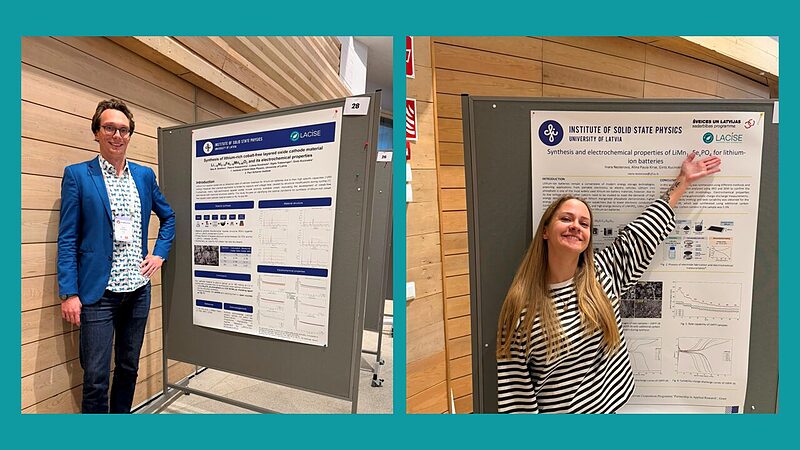
Researchers from the LACISE partner institution, the Institute of Solid State Physics, University of Latvia, attended the 7th Nordic Battery (NordBatt) Conference (September 22-24) in Espoo, Finland, presenting their latest findings in battery materials research.
LACISE Representatives Explore Switzerland’s Innovation Journey from Lab to Market
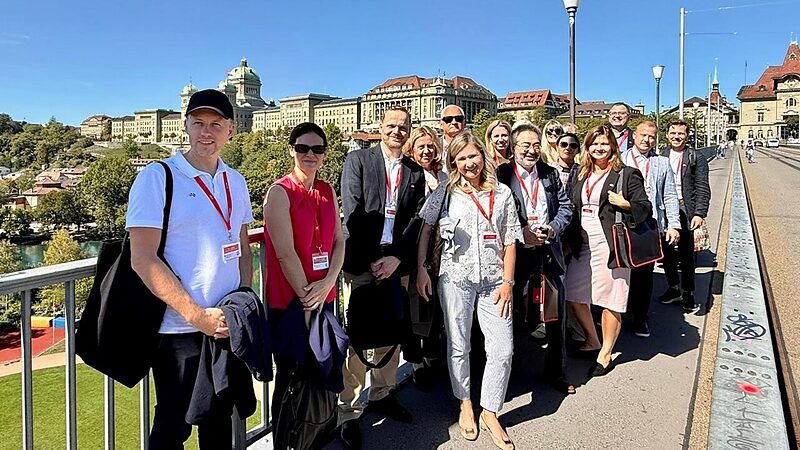
From 14 to 17 September, representatives of Latvia’s public administration, research institutions, and industry took part in an experience-exchange visit to Switzerland, including Gints Kučinskis, Coordinator of the LACISE project, and Anna Mutule, LACISE project representative. The visit focused on the commercialisation of research results, technology transfer, and building effective collaboration between science and industry.
Discover the Future at European Researchers’ Night with LACISE
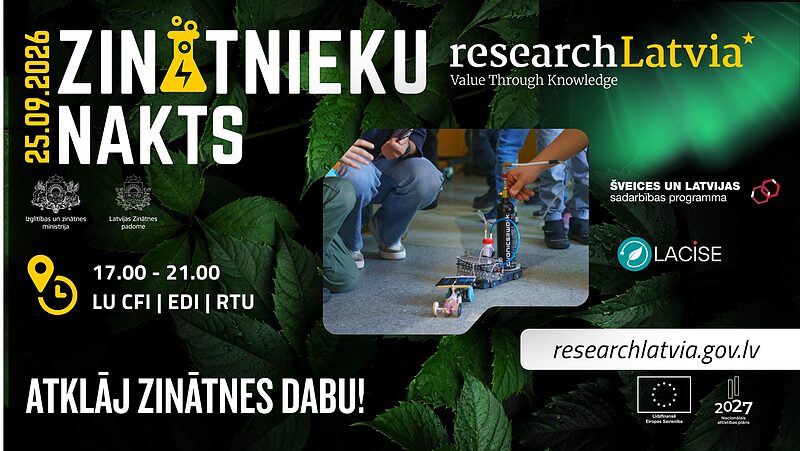
On 25 September, all three Latvian partners of the LACISE project invite everyone to explore the exciting world of science during European Researchers’ Night. Visitors will have the opportunity to take part in experiments, demonstrations, and activities that showcase the future of energy, hydrogen technologies, smart energy systems, and battery technologies.
Swiss Ambassador Learns About EDI’s Research and Innovation
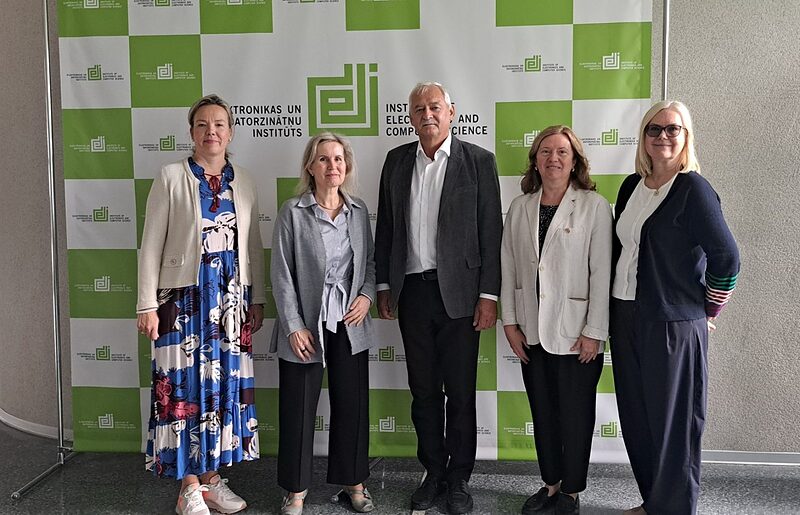
On August 31, 2026, the Institute of Electronics and Computer Science (EDI) welcomed Anja Zobrist Rentenaar, the Swiss Ambassador to Latvia; Sandra Prince and Ieva Kalniņa, program specialists from the Swiss Cooperation Office (SCO), as well as Rita Strode, a senior expert representing the Ministry of Education and Science. The purpose of the visit was to learn about the EDI’s activities, its achievements to date, current research areas, and opportunities for international cooperation.
LACISE Inspires Children and Young People at the Mērsrags Science Festival "Mērsraga Ābols"
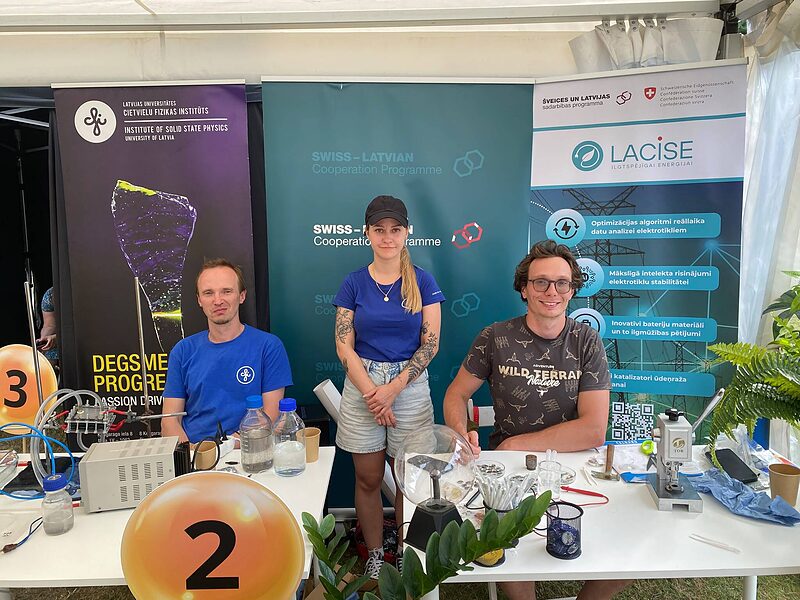
On 15 August, the LACISE team from the Energy Materials Laboratory of the Institute of Solid State Physics, University of Latvia, represented by Ināra Ņesterova, Niks Renārs Smelters and Einārs Sprūģis, took part in the first-ever Mērsrags Science Festival "Mērsraga Ābols". At the Latvian Council of Science's Science Bubble tent, the team invited visitors to explore energy technologies and discover the exciting world of science.
From Continental Grids to Smart Homes: Challenges and Opportunities in the Energy Transition
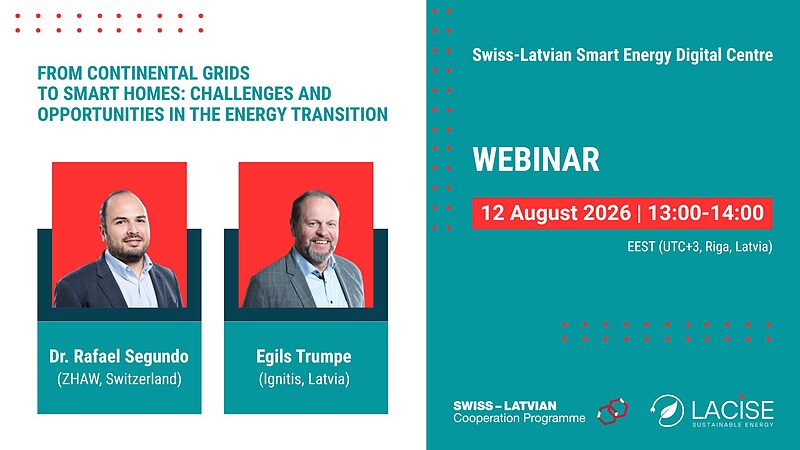
On 12 August 2026, the Swiss-Latvian Smart Energy Digital Center (part of the LACISE project) hosted the webinar From Continental Grids to Smart Homes: Challenges and Opportunities in the Energy Transition, bringing together experts from Switzerland and Latvia to discuss key developments shaping the future of energy systems.
LACISE project Invites You to a Webinar on the Challenges and Opportunities of the Energy Transition
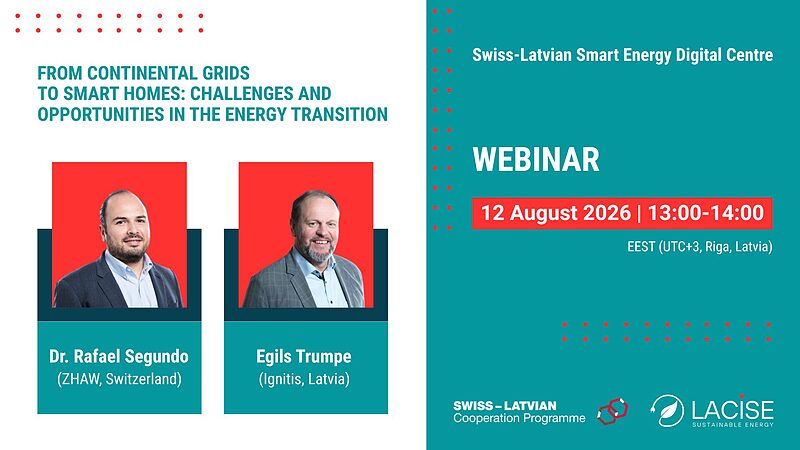
On 12 August 2026, from 13:00 to 14:00 EEST (12:00-13:00 CEST), the Swiss-Latvian Smart Energy Digital Centre, established within the LACISE project, will host an online webinar titled "From Continental Grids to Smart Homes: Challenges and Opportunities in the Energy Transition."
Latvia’s Role in Europe’s Energy Independence: LACISE Discussion at LAMPA Charts the Path from Research to Energy Independence
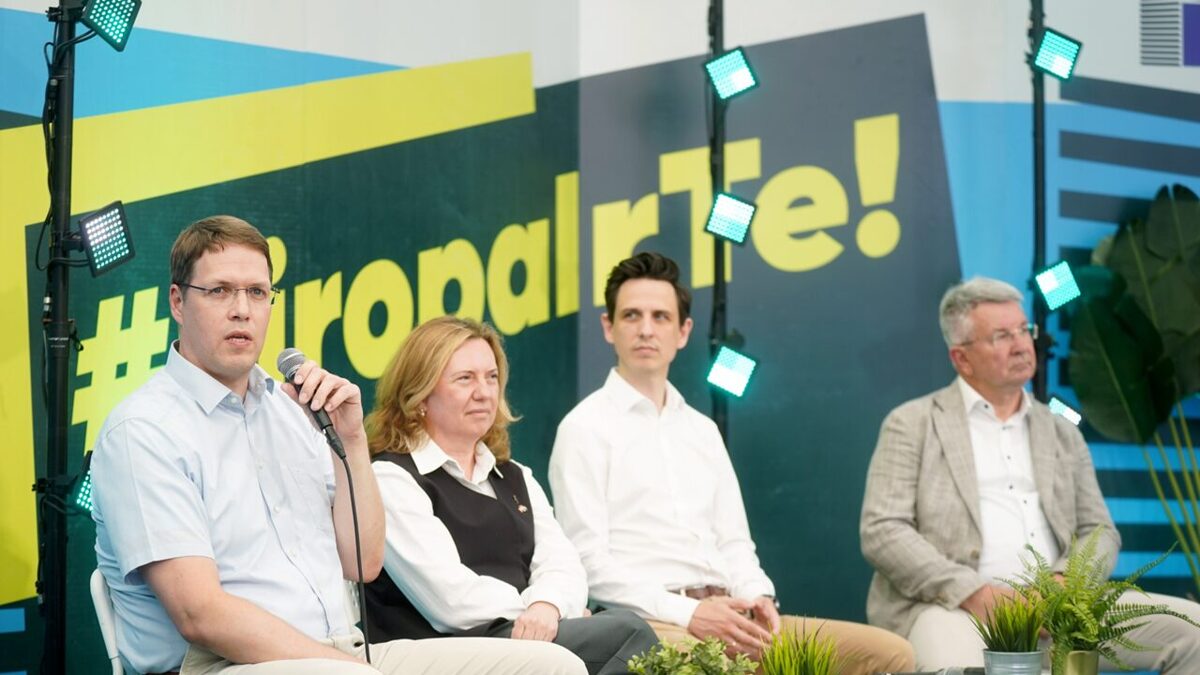
Will Latvia emerge as a leader or a follower in Europe’s energy transition? This was the central question explored during the discussion “Latvia’s Role in Europe’s Energy Independence and Sustainability”, held on 10 July at the LAMPA Conversation Festival, one of Latvia’s largest platforms for public dialogue and civic engagement.
The event took place on the stage of the European Commission Representation in Latvia, “Europe is here!” and was organized by the Institute of Solid State Physics, University of Latvia (ISSP UL) and the LACISE project, in cooperation with the Institute of Electronics and Computer Science (IECS) and the Swiss–Latvian Cooperation Programme.
LAMPA is much more than a festival. Held annually in the historic town of Cēsis, it provides an open platform for researchers, policymakers, entrepreneurs, civil society organizations, artists, and citizens to engage in conversations about the challenges and opportunities shaping society. Inspired by democracy festivals across the Nordic and Baltic regions, LAMPA has grown into one of the most influential public engagement events in the Baltics. The 2026 edition featured more than 400 events, brought together 1,445 speakers and attracted approximately 27,000 visitors over two days.
Against this vibrant backdrop, the conversation on energy independence provided an opportunity to connect cutting-edge scientific research with broader public debate. The audience included not only energy professionals and policymakers but also students, entrepreneurs, and citizens interested in understanding how energy security, innovation, and sustainability will shape the future of Latvia and Europe.
Today, energy is no longer simply a technical matter of power plants, transmission lines, and kilowatt-hours. It has become a question of national security, economic competitiveness, and quality of life. The discussion therefore explored how Latvia can strengthen its energy independence while leveraging science, innovation and international cooperation to become an important contributor to Europe’s sustainable energy future.
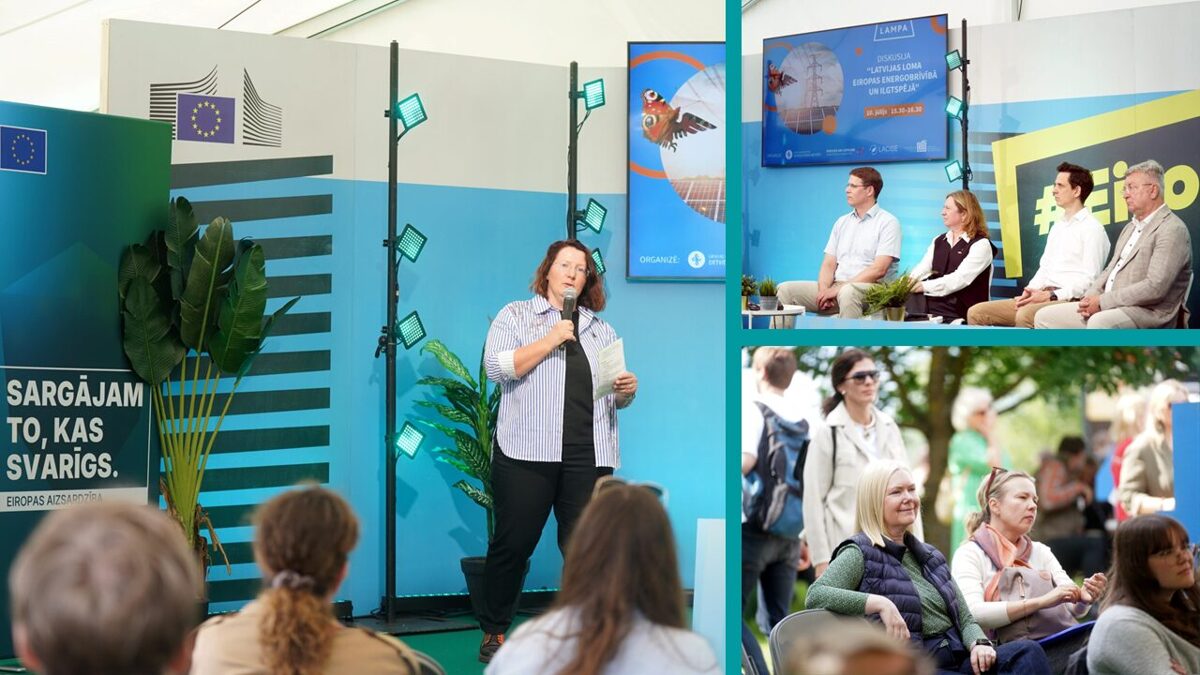 Moderator Vita Brakovska together with the panelists and audience members. Photo: LETA.
The discussion was moderated by Vita Brakovska, PhD, Head of the association ZINIS, whose dynamic approach created an engaging dialogue between the speakers and the audience. From the outset, participants were invited to reflect on what concerns them most about Latvia’s energy independence. Is it security of supply, dependence on imports, technological development, financing, workforce skills, or other factors? This helped frame the conversation around both national priorities and individual responsibility.
The panel brought together experts from research and industry:
- Gatis Junghāns, Member of the Management Board of the Latvian transmission system operator Augstsprieguma tīkls and Professor at Riga Technical University;
- Dr. Aigars Laizāns, Professor and Senior Researcher at the Latvia University of Life Sciences and Technologies and Chairman of the Supervisory Board of Latvenergo;
- Dr. Anna Mutule, Professor at Riga Technical University, Senior Researcher and LACISE Project Lead at the Institute of Electronics and Computer Science;
- Dr. Gints Kučinskis, Head of the Energy Materials Laboratory at ISSP UL, Leading Researcher and Coordinator of the LACISE project.
Together, they offered perspectives spanning power system operation, infrastructure development, artificial intelligence, advanced battery technologies and hydrogen solutions.
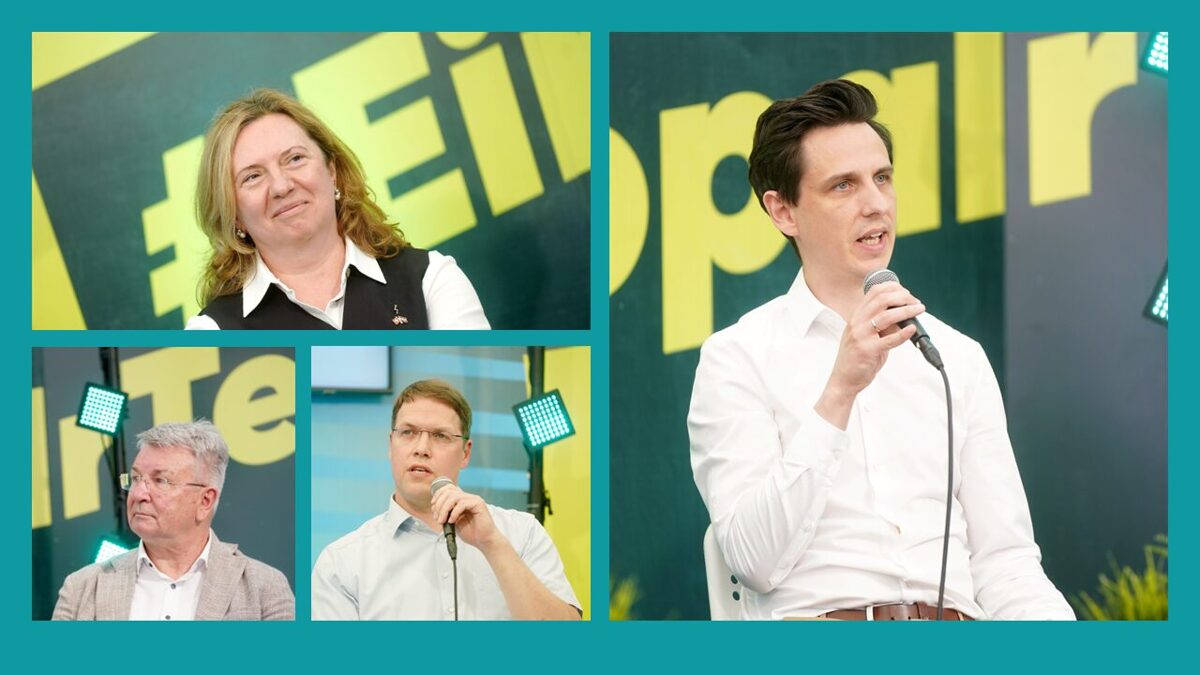 Panelists (clockwise from left): Anna Mutule, Gints Kučinskis, Gatis Junghāns and Aigars Laizāns. Photo: LETA.
One of the key themes was the resilience of future energy systems. The speakers emphasized that modern energy networks require much more than reliable infrastructure. Data-driven decision-making, digitalization, advanced forecasting, and artificial intelligence are becoming increasingly important for identifying risks early and ensuring stable system operation. Latvia, they noted, has several significant advantages: abundant renewable energy resources, well-developed grid infrastructure, strong connections with the European energy market, and internationally recognized scientific expertise.
One particularly engaging part of the session focused on energy resilience in everyday life. Vita Brakovska invited the audience to consider a simple yet powerful question: What would be your biggest challenge if Latvia experienced a 48-hour power outage tomorrow?
The responses quickly highlighted how deeply electricity is embedded in modern life, from communication and digital payments to heating, food supply, transportation and work. The exercise transformed energy security from an abstract policy concept into a tangible issue affecting every household.
Audience members were also encouraged to reflect on their own preparedness for unexpected disruptions. Do we have a Plan B, or even a Plan C, if electricity becomes unavailable? How many households have backup energy sources or alternative solutions? This part of the discussion underscored one of the event’s key messages: energy independence is not built solely by governments, researchers or energy companies. It is also shaped by countless individual decisions regarding energy efficiency, consumption habits, and preparedness.
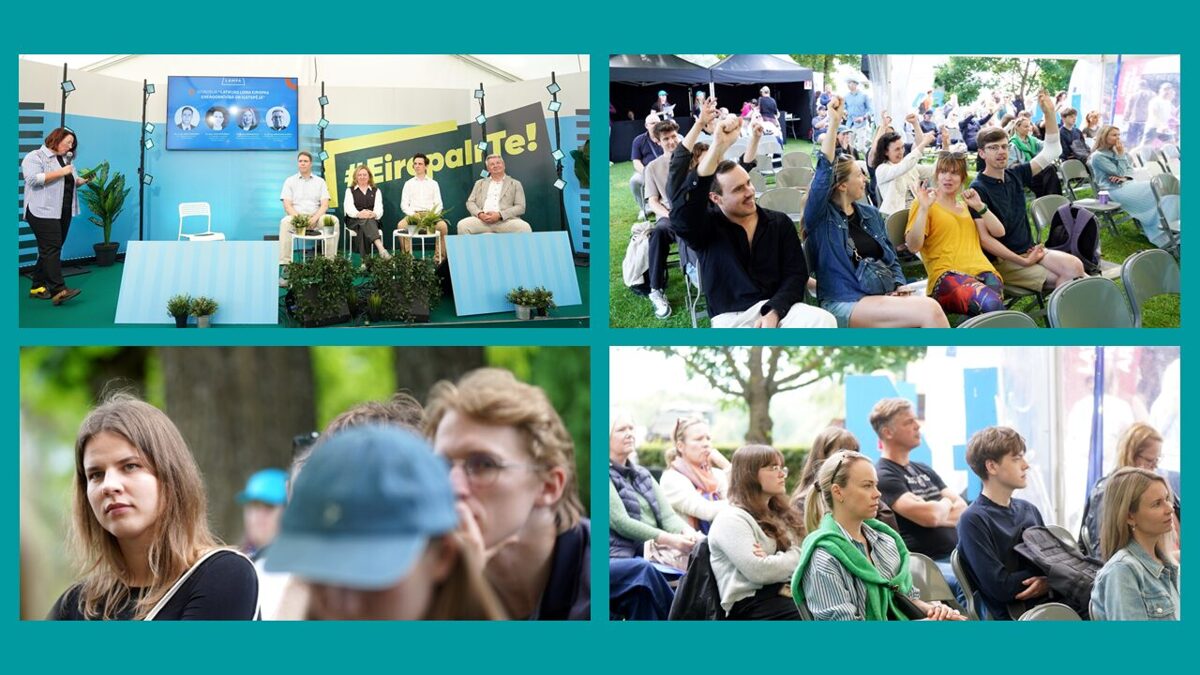 Audience and panelists at the discussion “Latvia’s Role in Europe’s Energy Independence and Sustainability”. Photo: LETA.
The conversation then turned to emerging technologies. Dr. Gints Kučinskis highlighted the importance of advanced battery materials, battery longevity and hydrogen technologies for the long-term sustainability of Europe’s energy system. Dr. Anna Mutule focused on smart energy systems and the growing role of artificial intelligence in managing increasingly complex electricity networks.
A recurring message throughout the session was that Latvia does not necessarily need to become Europe’s largest producer of batteries or solar panels. Instead, the country has the potential to excel in knowledge-intensive niches where innovation creates the greatest value: advanced energy materials, battery technologies, digital solutions and intelligent energy management systems.
Another important topic was collaboration between science and industry. The panel explored how research results can be translated more effectively into practical applications, innovative products and exportable technologies. The speakers pointed out that internationally relevant research is already taking place in Latvia, including projects focused on AI-based solutions for energy system security, next-generation battery technologies and hydrogen innovations. At the same time, they acknowledged that transforming scientific breakthroughs into commercially viable products remains one of the country’s major challenges.
During the concluding round, each panelist shared a key takeaway on how Latvia can strengthen its energy independence in the years ahead. A common theme emerged: energy independence cannot be achieved through technology or policy alone. It requires long-term cooperation between researchers, industry, policymakers and society, combined with a willingness to take responsibility at every level, from national strategies to everyday choices.
The discussion at the LAMPA Conversation Festival demonstrated that Latvia possesses the scientific expertise, industrial experience and international partnerships needed to contribute meaningfully to Europe’s energy future. The question is no longer whether Latvia has the potential. The real challenge is how effectively that potential can be transformed into innovation, economic growth, and lasting energy resilience.
LACISE Partners Gather in Switzerland to Drive Smart Energy Innovation Forward
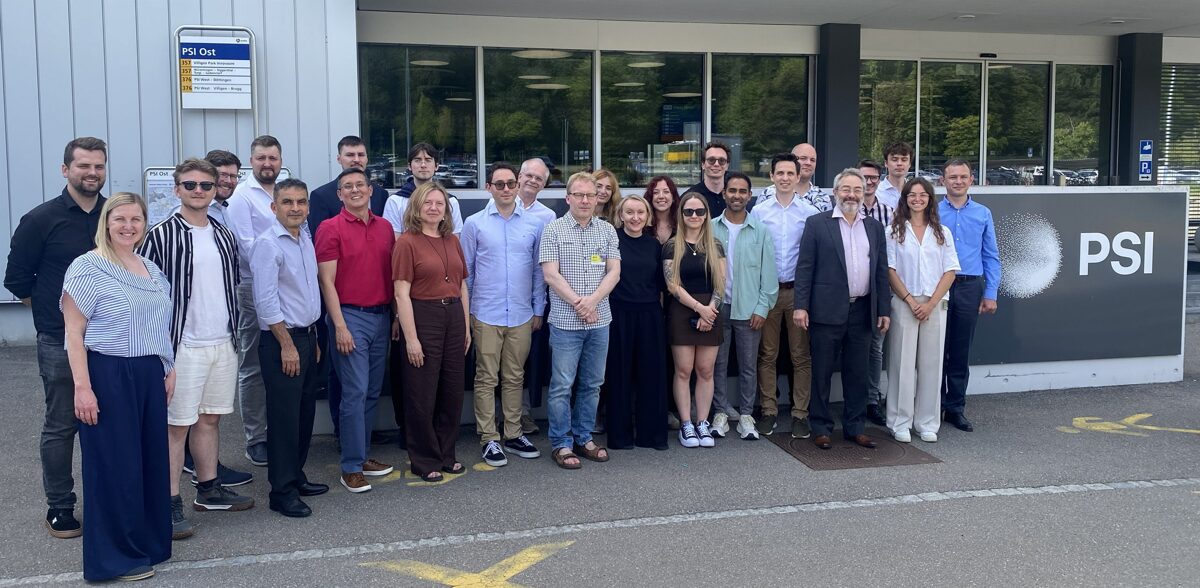 Project team and representatives from SECO at the Paul Scherrer Institute. Photo: Inese Jansone
On 17–18 June 2026, LACISE project partners met at the Paul Scherrer Institute (PSI) in Switzerland for the latest General Assembly. The event brought together researchers, engineers, and institutional representatives from Latvia and Switzerland, marking a significant milestone toward smarter, more resilient energy systems.
Over two days, participants shared progress, exchanged ideas, and coordinated next steps. The meeting highlighted both technical achievements and the strong collaboration central to LACISE.
A Collaborative Effort Across Borders
The meeting gathered representatives from all consortium partners, including:
• Institute of Solid State Physics, University of Latvia (ISSP UL)• Institute of Electronics and Computer Science (IECS)
• Riga Technical University (RTU)
• Zurich University of Applied Sciences (ZHAW)
• Paul Scherrer Institute (PSI)
• Swiss Centre for Electronics and Microtechnology (CSEM)
Representatives from the Swiss State Secretariat for Economic Affairs (SECO) provided valuable insights, connecting the project’s scientific work to the broader goals of the Swiss Contribution programme. They shared reflections on progress and highlighted LACISE as a model of effective cooperation between Switzerland and Latvia.
Beyond institutional collaboration, the project is creating meaningful opportunities for knowledge exchange at the individual level. As Emiliana Fabbri (PSI, WP5) explains:
“Many young researchers can spend short- or long-term visits here in Switzerland, at a well-established research institute. They learn not only new techniques, but also how research groups and institutes operate in practice.” This exchange is already producing tangible results.
“Within LACISE, we are collaborating with colleagues from Latvia to develop new materials. Students visit our group and carry out testing in our laboratories, where they can access facilities that are new to them. We hope this will lead to new materials for green hydrogen production,” she adds.
The strength of the consortium lies in its complementary expertise. As Philippe Dallemagne (CSEM) highlights: “The LACISE consortium brings together partners that complement each other very well — from basic research to technology transfer and industry engagement. At CSEM, we focus on innovation and technology transfer, connecting the research carried out in the project with industrial applications.”
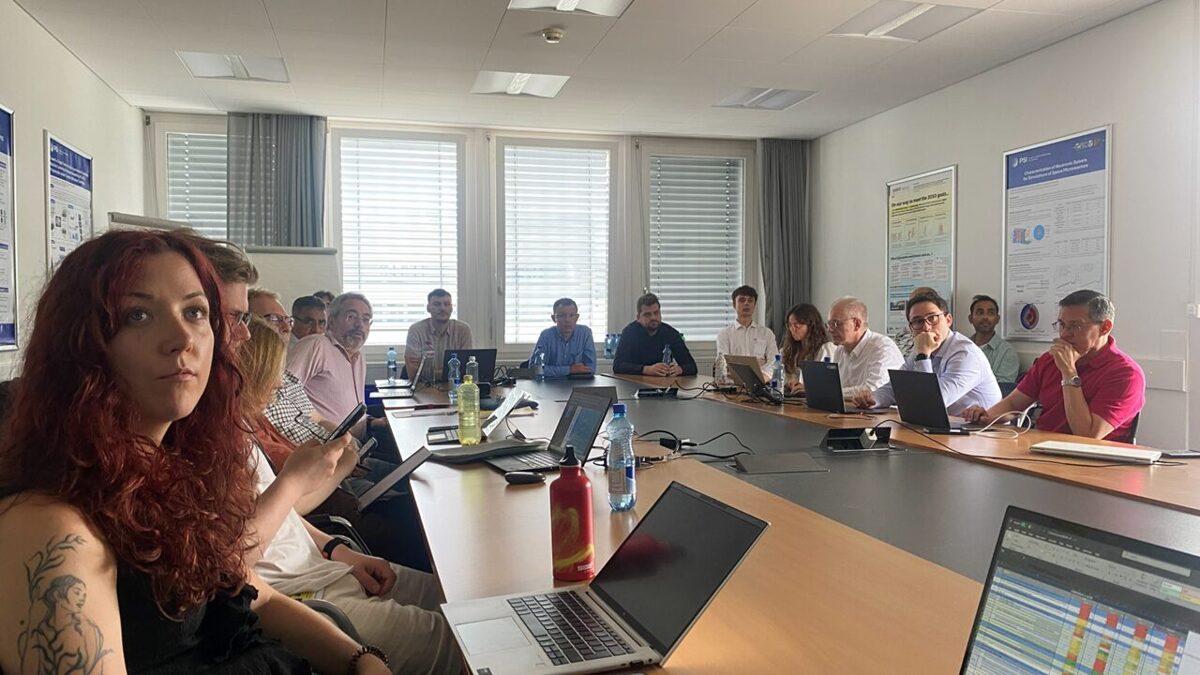 LACISE team and SECO representatives at the Paul Scherrer Institute during the General Assembly of the project. Photo: Inese Jansone.
From Data to Decisions: Smarter Energy Systems
Researchers presented progress in developing and validating models of the Baltic power system using real-world data. Early results highlight the complexity of accurately capturing grid behavior during disturbances, which is essential for improving stability in a renewable energy future.Teams are also building the necessary infrastructure. Advanced laboratories and real-time simulation systems now enable researchers to observe and analyze grid behavior in greater detail. A new event detection system can automatically identify disturbances using live measurement data, reducing manual analysis and enabling faster, smarter responses.
Beyond technical developments, the cooperation plays an important strategic role. As Gints Kučinskis (ISSP UL, LACISE coordinator) emphasizes: “There is a lot we can learn from Switzerland, but I am equally sure that Switzerland can learn from us. Switzerland has strong expertise in energy grid modeling, advanced energy storage solutions, and understanding materials at the nanoscale — down to atomic-level processes.” He adds: “At the same time, Latvia has a rapidly growing number of research teams motivated to apply this knowledge and contribute to a more stable and renewable energy system.”
Bringing Intelligence to Forecasting
Another key area is the development of AI-based tools to enhance forecasting and decision-making in energy systems.
These tools require high-quality data, and LACISE is making significant progress in this area. New low-cost smart weather stations are being tested in real-world conditions, collecting solar irradiance data to improve forecasting models. Deploying these systems is an important step in connecting physical measurements with digital intelligence.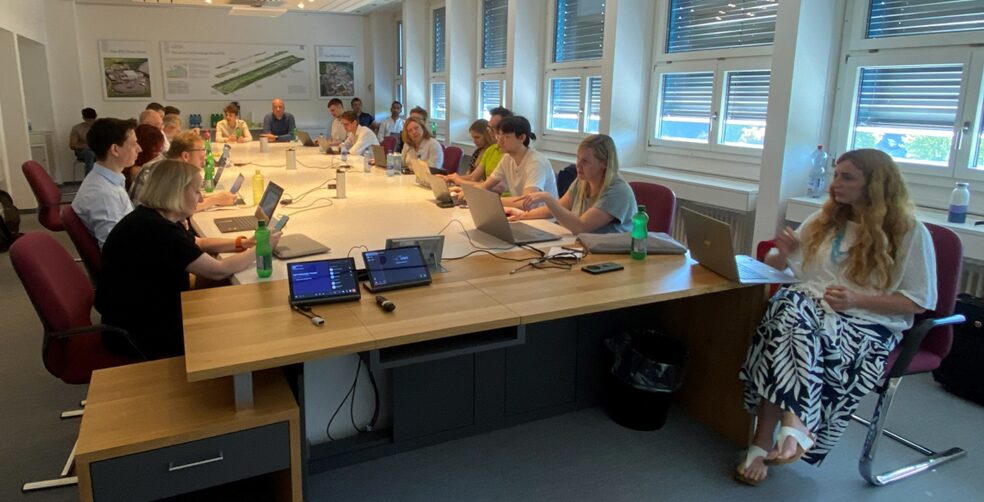 LACISE team listens to the progress reports from the work package representatives. Photo: Inese Jansone
Developing the Technologies of Tomorrow
In addition to digital tools, LACISE is advancing the physical technologies required for the energy transition.
Sustainable Battery Materials
Researchers are developing next-generation battery components that are safer, more sustainable, and less reliant on critical raw materials. Promising results include:
• Cobalt-free cathodes with improved performance• High-stability materials suitable for long-term energy storage
• New approaches to understanding how batteries age and degrade
Green Hydrogen Solutions
In parallel, teams are exploring innovative methods to produce hydrogen, a key energy carrier for the future. Progress is being made in several areas:
• Improved water electrolysis using advanced catalysts• Photo-assisted processes that use light to boost efficiency
• Methods to generate hydrogen from aluminium waste, linking energy production with circular economy principles.
The practical importance of this work is already becoming evident in Latvia. As Andris Šutka (RTU, WP5) explains: “Our hydrogen-related research focuses on water electrolysis, using electricity to split water and produce hydrogen. We are developing materials for devices that could be commercialised, and several industries in Latvia are already interested.” He further highlights the broader impact:
“There is a growing start-up environment working on hydrogen technologies, and companies like Latvenergo are investing in greener energy approaches. We are in constant contact with industry partners. Importantly, this programme also helps attract more students to the field, which. Without this support, it would be much harder to advance our ideas.”
Together, these efforts demonstrate LACISE’s commitment to addressing energy challenges from multiple perspectives, including data, modeling, materials, and real-world applications.
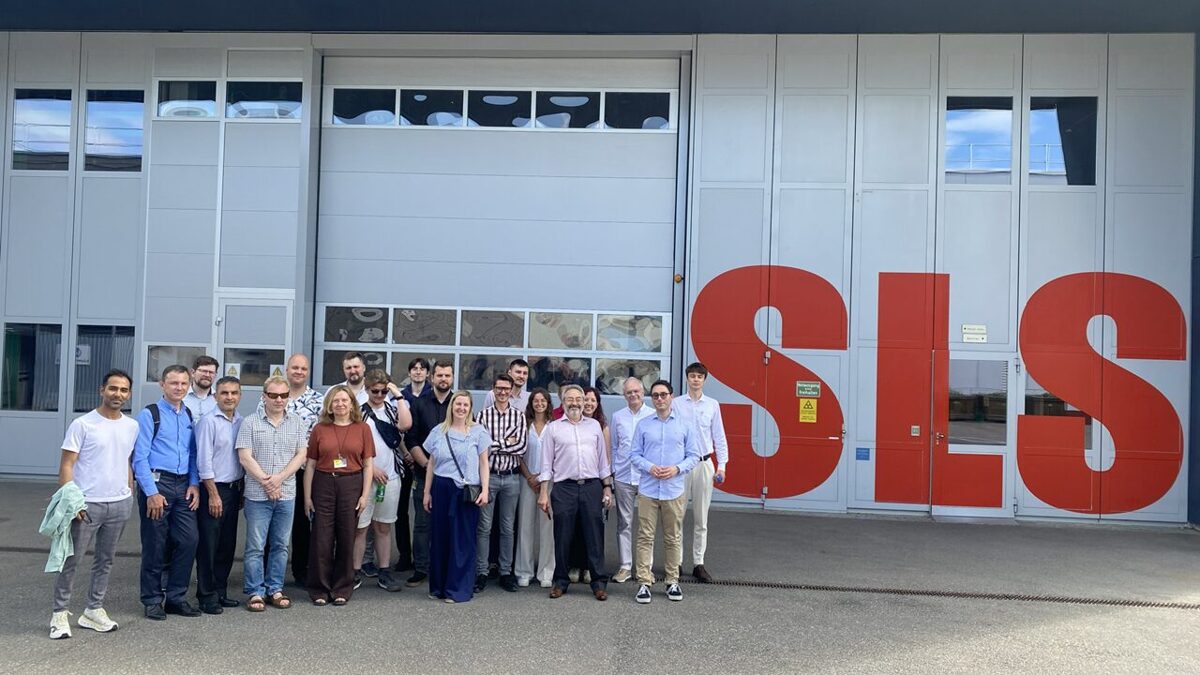 LACISE team is ready for the Swiss Light Source tour. Photo: Inese Jansone
Experiencing World-Class Research Infrastructure
During their visit, project partners and SECO representatives also had the opportunity to tour the Swiss Light Source (SLS), an X-ray synchrotron facility at PSI — one of the leading research infrastructures in Europe.
The visit offered insight into cutting-edge analytical techniques used to study materials at the atomic and molecular level — capabilities that are essential for advancing research in areas such as battery materials and energy technologies. The tour provided valuable context for the experimental work presented during the meeting and highlighted the importance of access to world-class infrastructure in driving innovation.
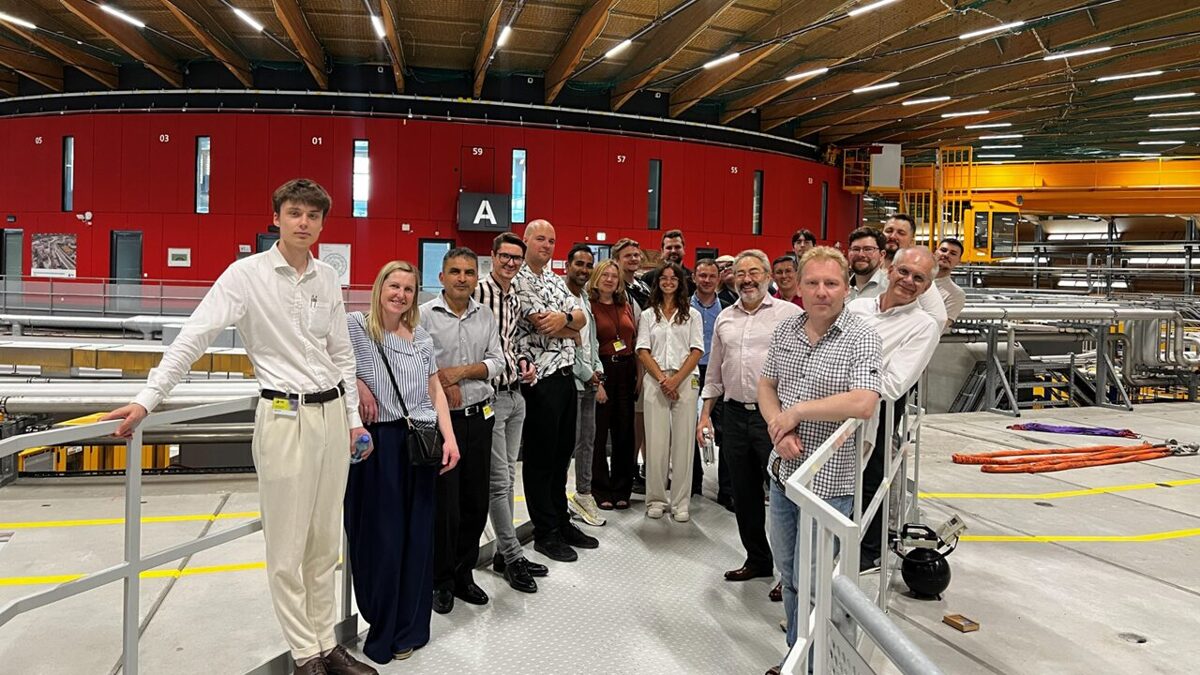 LACISE partners at the SLS. Photo: Nathalie Estievenart
Strategic Context: The Swiss Contribution
The General Assembly also underscored the broader framework supporting the project.LACISE is funded under the Swiss–Latvian Cooperation Programme, part of Switzerland’s second contribution to selected EU Member States. The programme aims to reduce economic and social disparities while strengthening bilateral cooperation.
LACISE embodies this vision by:
• Connecting institutions across countries
• Supporting knowledge exchange and skills development
• Delivering solutions that address shared challenges such as energy security and climate change
Reflection and Forward Look
At the end of the second day, a Stakeholder Advisory Board member representing A/S Latvenergo, Pēteris Lesničenoks, offered an external perspective on the project’s progress. The feedback recognized the strong results to date and encouraged continued focus on real-world applicability and integration.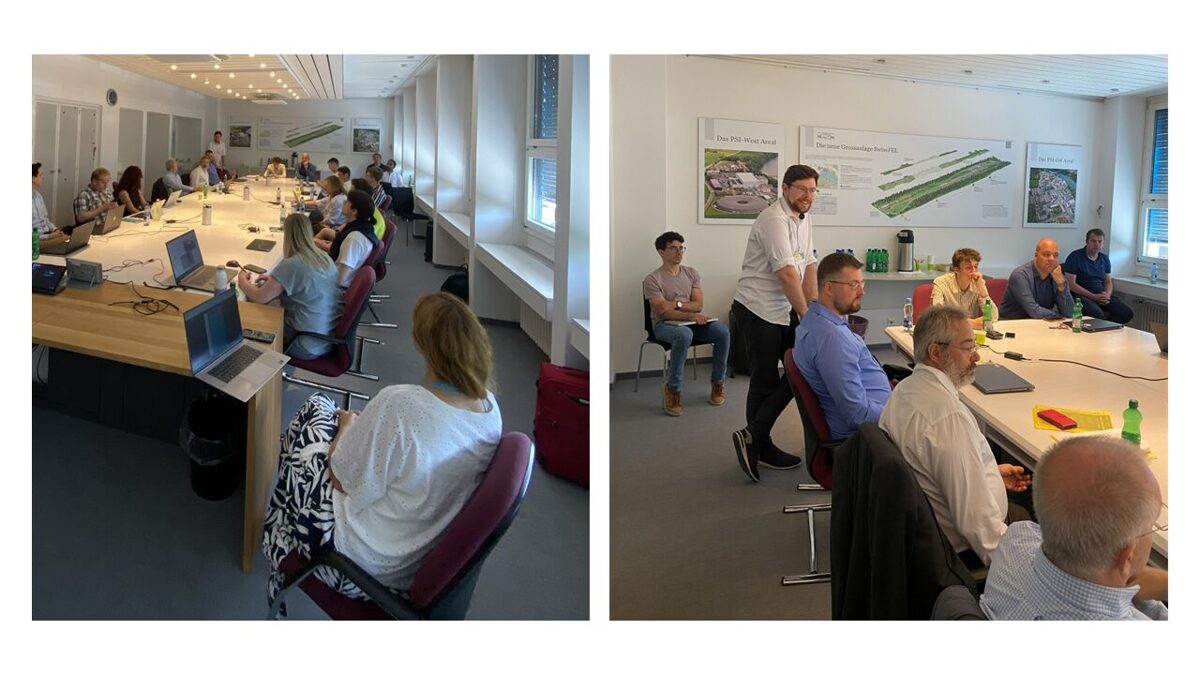 Pēteris Lesničenoks (A/S Latvenergo) representing Stakeholder Advisory Board. Photo: Inese Jansone
The meeting concluded with a clear sense of momentum. While challenges remain, as expected for a project of this scope, the progress presented in Switzerland confirmed that LACISE is steadily advancing toward its goals.
By combining cutting-edge research, international collaboration, and a strong strategic framework, LACISE is helping to create a future where energy systems are more efficient, resilient, and sustainable.
Acknowledgements
The consortium extends its sincere gratitude to Sigita Trabesinger (Laboratory for Battery Science, PSI) and Emiliana Fabbri (Laboratory for Electrochemistry, PSI) for their excellent organisation of the General Assembly and for hosting the partners at the Paul Scherrer Institute.
We also warmly thank the SECO representatives – Nicolas Guigas and Nathalie Estievenart for their presence, engagement, and continued interest in the project's progress.
From data to devices and from laboratories to real-world impact, LACISE continues to show how collaboration can transform complex challenges into shared progress.
RTU Researcher Andris Šutka Presents LACISE Project Results at the E-MRS 2025 Spring Meeting
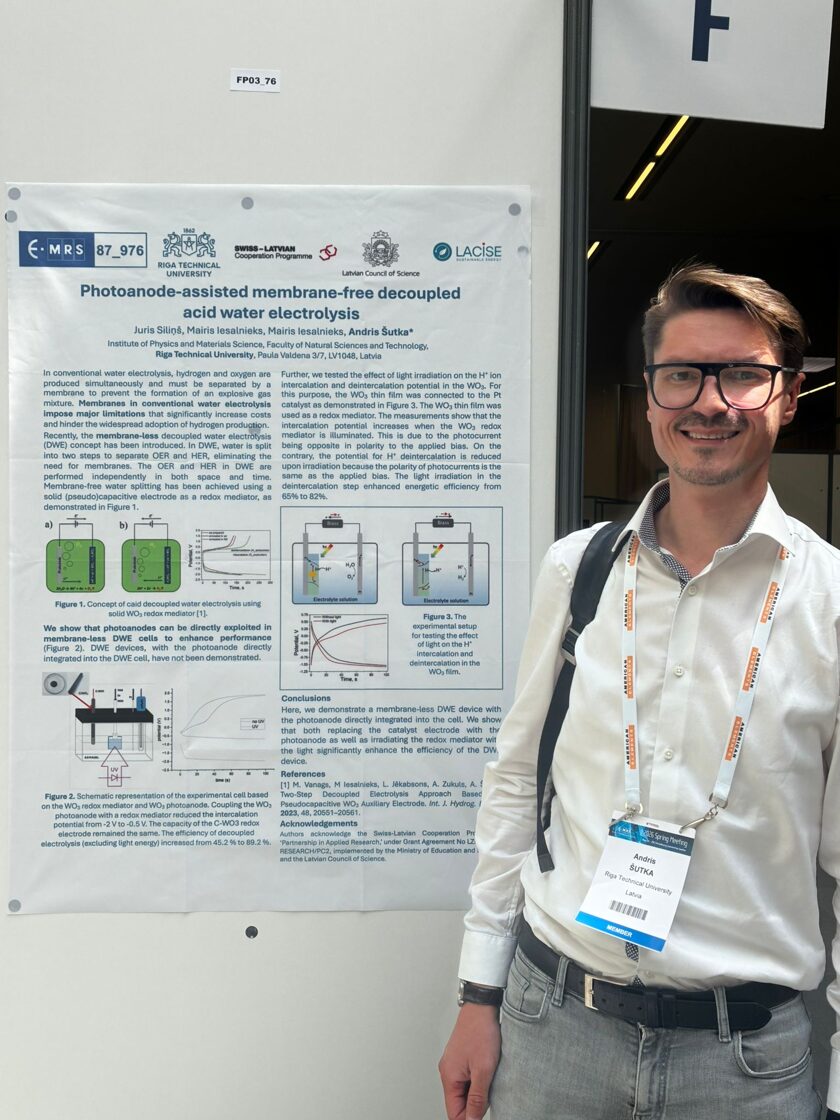
From May 26 to 30, the Spring Meeting of the European Materials Research Society (E-MRS) took place in Strasbourg, France. As one of Europe's leading materials science conferences, the event brings together researchers, industry representatives, and innovation stakeholders to discuss the latest advances in materials synthesis, characterization, and applications in energy, electronics, sustainability, and other fields. The conference featured 23 thematic symposia, plenary sessions, oral presentations, and poster sessions, providing an international platform for scientific exchange and collaboration.
The LACISE project was represented by Andris Šutka, leader of Work Package 5 (WP5) at Riga Technical University (RTU), who presented a poster entitled “Photoanode-assisted membrane-free decoupled acid water electrolysis” within the symposium Engineered Nanomaterials for Energy and Environment: From Synthesis to Applications.
The presented research focused on the development of innovative hydrogen production technologies based on decoupled water electrolysis (DWE). Unlike conventional water electrolysis systems, where hydrogen and oxygen are generated simultaneously and must be separated by a membrane to avoid the formation of explosive gas mixtures, DWE divides water splitting into two independent steps. This approach eliminates the need for membranes, potentially reducing system complexity and operational costs while improving safety.
In the study, RTU researchers demonstrated how a WO₃-based photoanode can be integrated directly into an acidic DWE system to enhance its performance. The technology combines a WO₃ redox mediator, a WO₃ photoanode, and a platinum electrode. During the oxygen evolution step, light irradiation activates the photoanode, facilitating proton intercalation into the WO₃ mediator. In the subsequent hydrogen evolution step, the photoanode is disconnected, and the stored charge is utilized to produce hydrogen. The results showed that incorporating the photoanode significantly reduced the energy required for the process, increasing the overall energy efficiency from 65% to 82%. These findings highlight the potential of photoelectrochemical approaches to develop sustainable, cost-effective green hydrogen production technologies.
Participation in the E-MRS Spring Meeting provided an excellent opportunity to present the latest LACISE project achievements to the international materials science community, exchange knowledge with leading researchers, and explore future collaboration opportunities in the fields of hydrogen technologies, electrochemistry, and advanced functional materials.
Sergejs Koržuks (IECS) presents interim results of his master’s thesis at the RTU conference
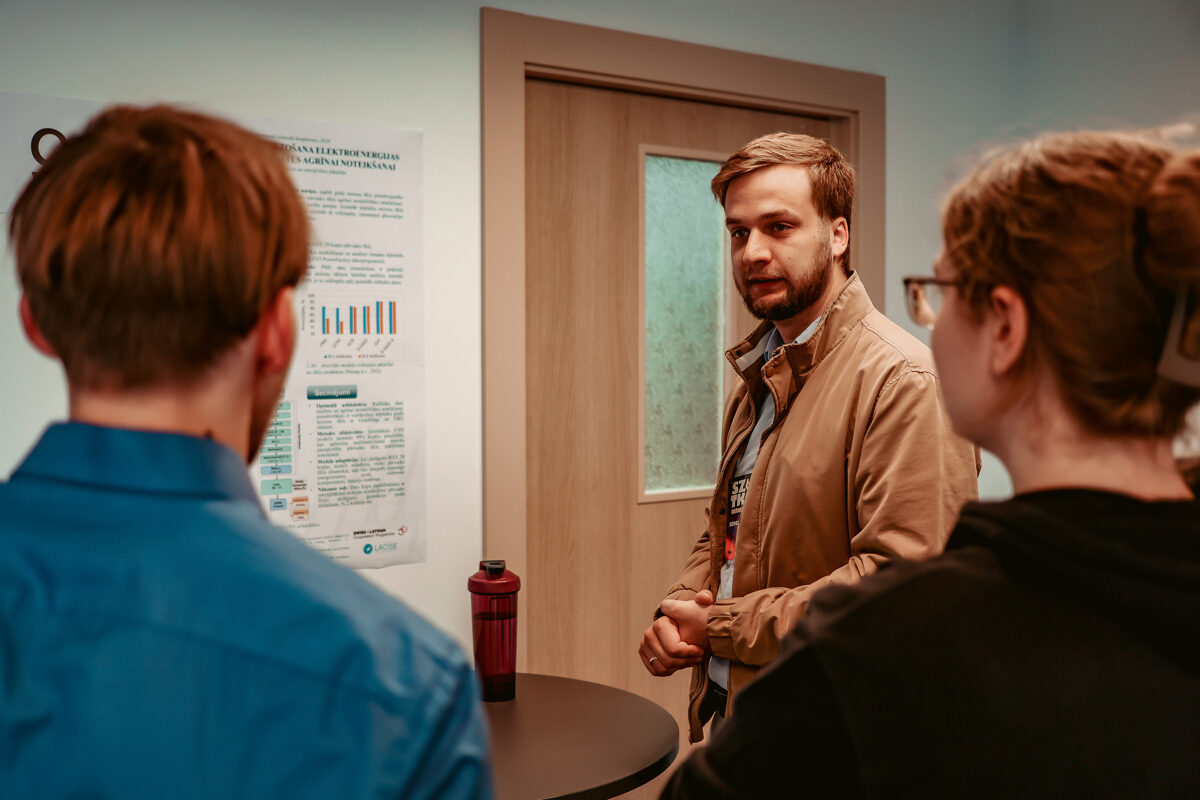
On 29 May 2026, at the plenary session of the Riga Technical University Student Scientific and Technical Conference, Sergejs Koržuks presented the interim results of his master’s thesis titled “Application of Graph Neural Networks for Early Detection of Instability in Power Transmission Networks.”
The main focus of the research is on innovative machine learning solutions and their ability to analyse complex and dynamic power system structures, enabling timely and accurate identification of network disturbances.
The
conference provided an excellent opportunity to learn about current topics,
research, and the achievements of colleagues from other fields. Such meetings
broaden perspectives and provide new inspiration for the final stage of my
master’s thesis.”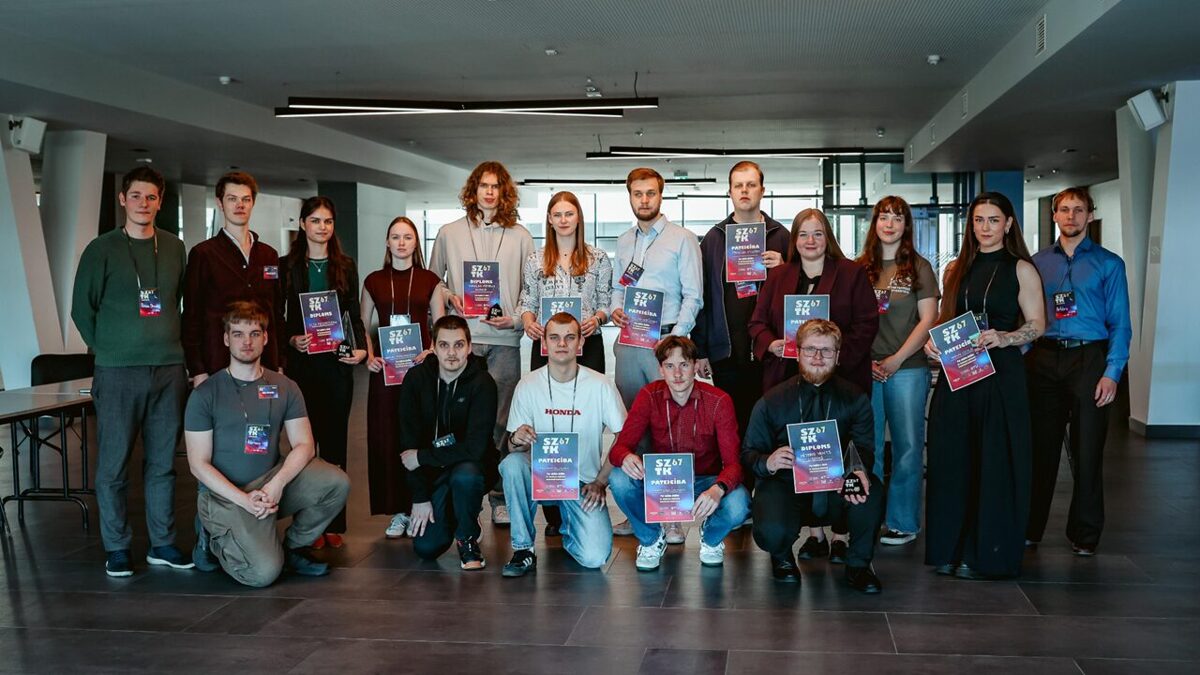
From Curiosity to Clean Energy: Daniels Jurjevs Inspires the Next Generation in Vaiņode
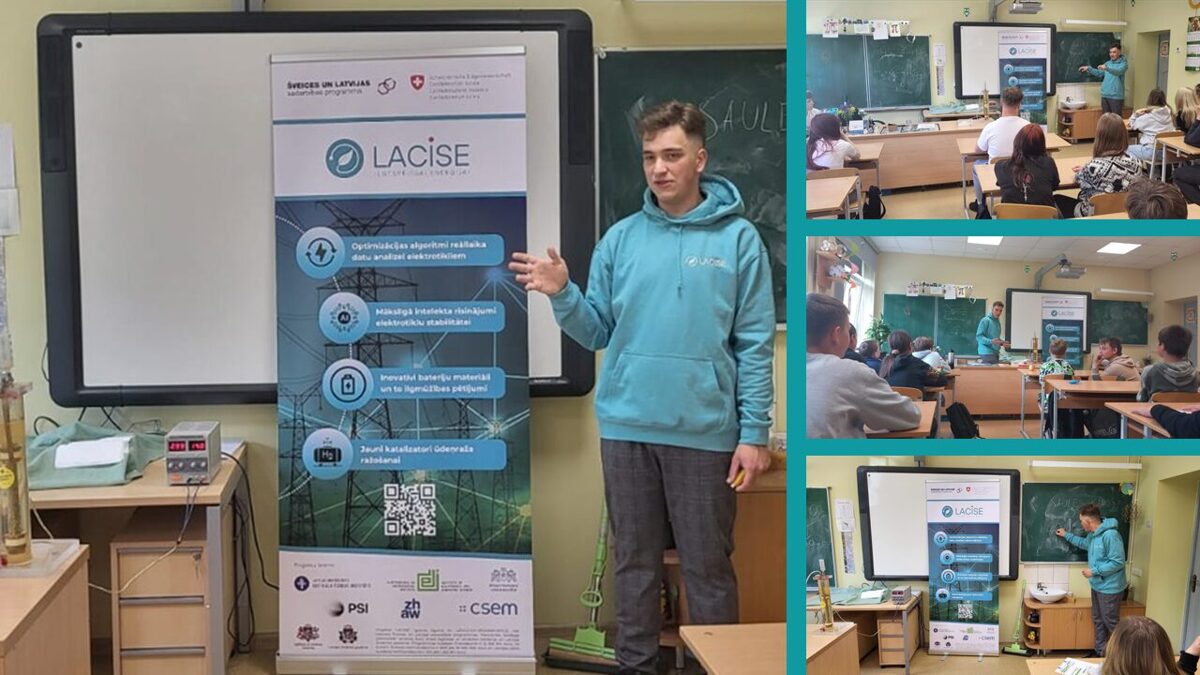
When research meets curiosity, inspiring moments are born—and that’s exactly what happened when Daniels Jānis Jurjevs, a Research Assistant at the Energy Materials Laboratory of the Institute of Solid State Physics, University of Latvia (ISSP UL), visited Vaiņode Secondary School on May 28.
During his visit, Daniels engaged around 80 students – from third graders to the last grade of secondary school – in a series of interactive lessons. With an even balance of boys and girls, the classrooms were filled with attentive young minds eager to explore the world of science.
Daniels shared his personal journey into physics, describing what first sparked his interest and how that curiosity evolved into a research career. He gave students a glimpse into his daily work at the laboratory, explaining how science can help solve real-world problems—especially in the field of energy materials.
A key part of his talk focused on the LACISE project, highlighting the many opportunities it offers for students. From exciting excursions and support in developing research papers with guidance from LACISE scientists to participation in the Solar Cup competition, Daniels illustrated how young people can actively engage in science. He also spoke about visits to LACISE partner institutions and experiences such as the European Researchers’ Night, where students can immerse themselves in the vibrant world of research.
To bring science closer to life, Daniels treated students to a memorable demonstration: small, safe hydrogen bubble explosions. The experiment sparked excitement and curiosity—proving that science can be both educational and thrilling.
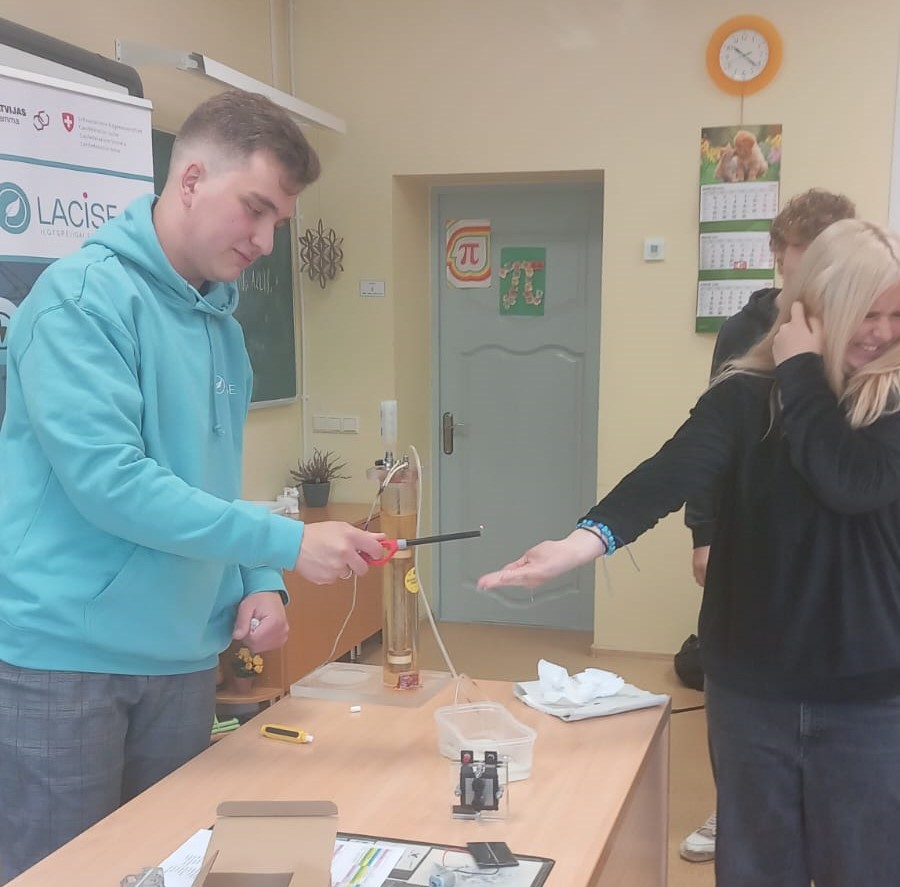
Through his visit, Daniels not only shared knowledge but also inspired young people to imagine themselves as future scientists. His message was clear: science is open to everyone, and curiosity is the first step toward discovery.
From Zurich to Riga: Swiss–Latvian Cooperation Drives LACISE Innovation
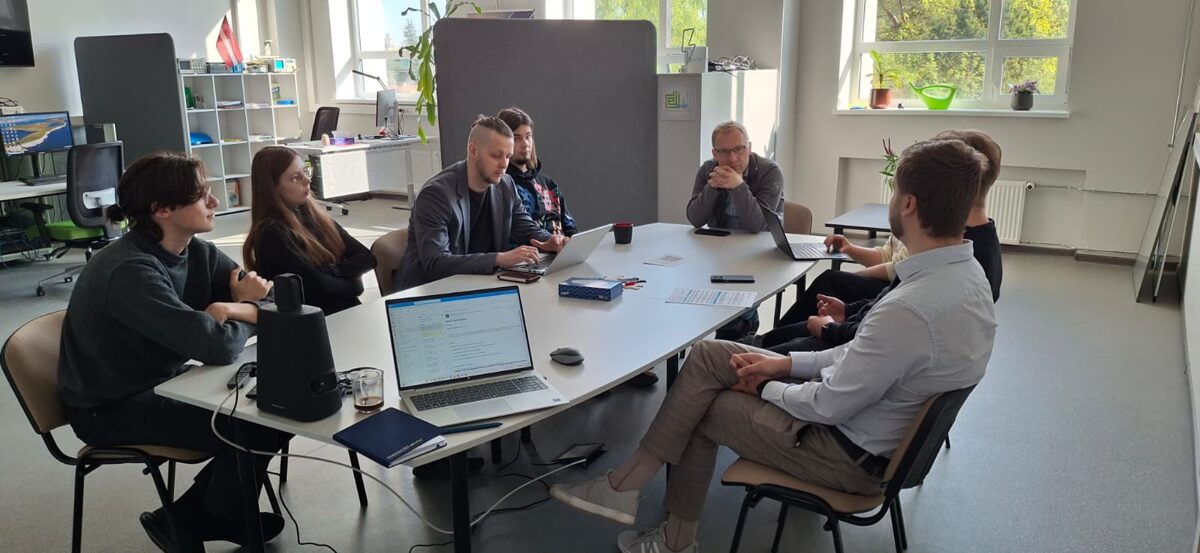 Prof. Dr. Petr Korba meeting IECS partners of the LACISE project. Photo: IECS.
When spring arrived in Riga, LACISE’s work took on a distinctly international rhythm. On May 14, the Institute of Electronics and Computer Science (IECS) welcomed Prof. Dr. Petr Korba from Zurich University of Applied Sciences (ZHAW) for a day of focused exchange and hands‑on collaboration as part of the LACISE project.
The visit began in IECS’s labs and meeting rooms, where researchers and students presented the project’s second-year progress. Conversations ranged from bachelor’s and master’s thesis developments to larger research directions: power‑system modelling, renewable integration, and short‑term forecasting methods. IECS showcased the first prototype of a fault‑registration algorithm that uses frequency-fluctuation data from phasor measurement units; Prof. Korba offered practical recommendations to strengthen the prototype, bringing it closer to an automated tool that can detect faults and help trace their causes — a step toward smarter, more resilient grids.
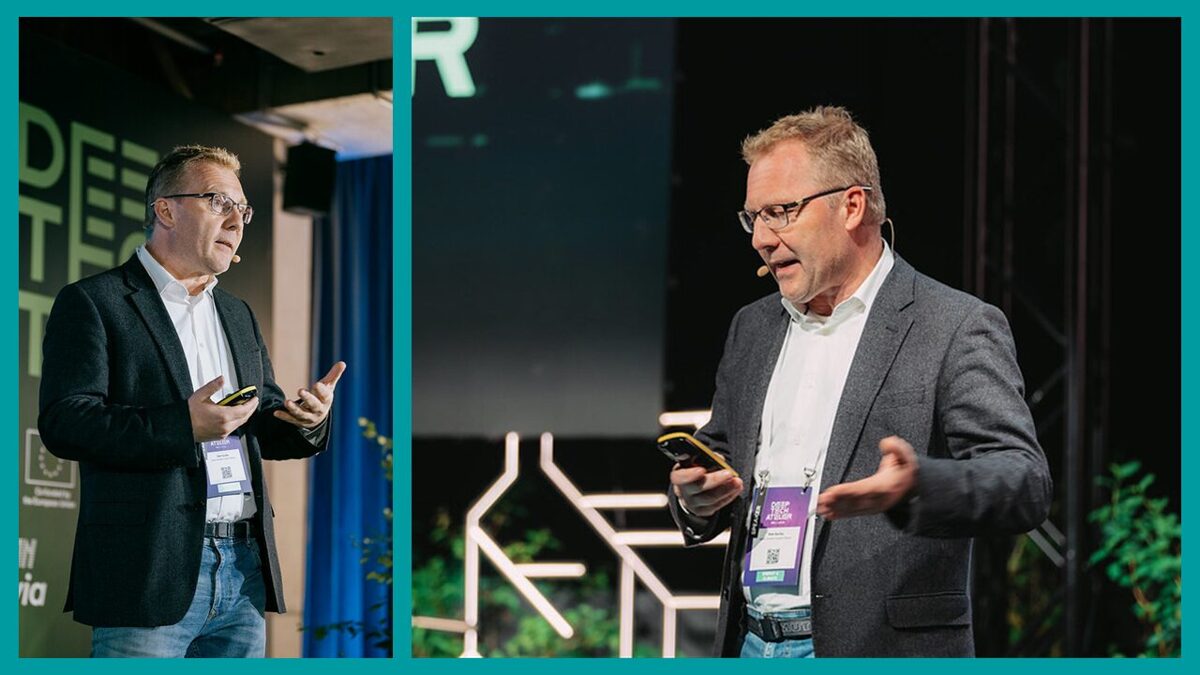 Prof. Dr. Petr Korba (ZHAW) at the Deep Tech Atelier 2026 conference in Riga. Photo: Deep Tech Atelier.
The next day, at the Deep Tech Atelier conference, Korba brought those technical insights to a broader audience. His keynote, “Strategic Grid Resilience in a Dual‑Use World: How Europe’s Renewable Transition Shapes Civilian and Defence Readiness,” framed the renewable transition as a matter of both societal resilience and defence preparedness. He discussed how digitalization, frequency stability, and real‑time monitoring underpin continuity of supply, protection of critical infrastructure, and responses to hybrid threats and cyber‑physical risks, arguing that stronger civilian grids directly reinforce Europe’s defence capabilities.
He was also a presenter in the workshop “Data‑driven monitoring and control of electrical power systems – challenges & experience,” where he explored how PMUs, PDCs, high‑frequency data streams, and modern analytics enable deeper visibility, faster situational awareness, and adaptive control. Drawing on ZHAW lab implementations and trials with transmission system operators, Korba addressed integration across heterogeneous assets, the scalability of analytics, and the need for trustworthy automation in safety‑critical environments — sharing lessons and best practices to make data‑centric methods operational.
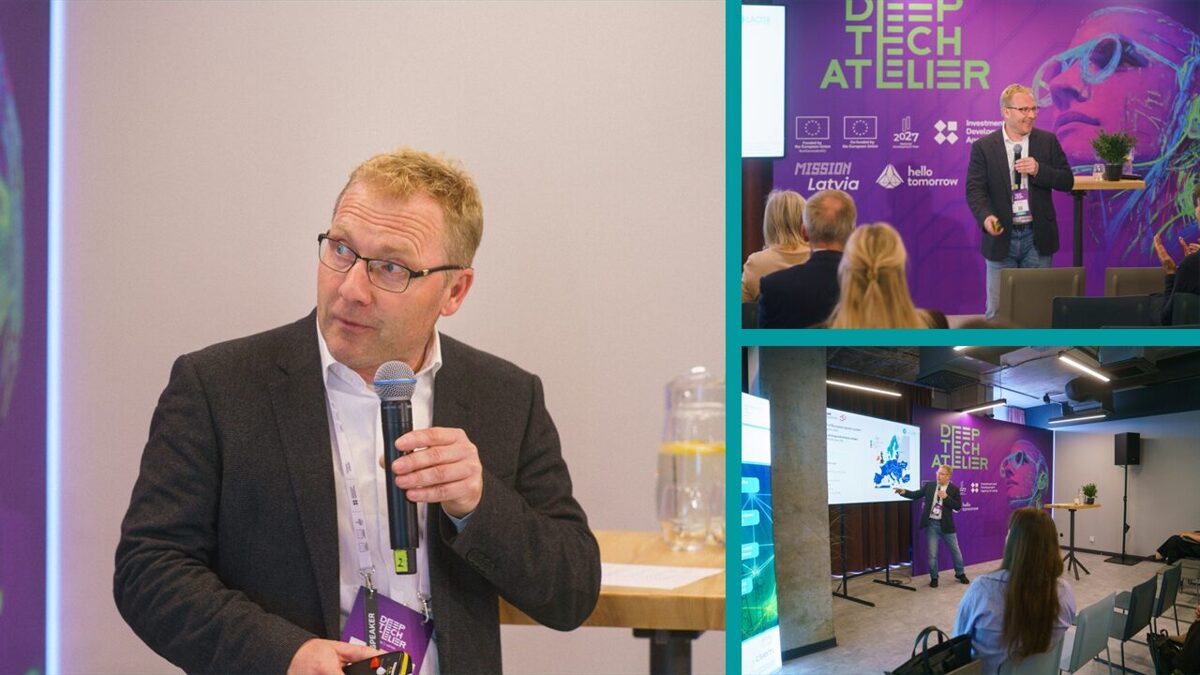 Presenting at the opening of the Swiss-Latvian Smart Energy Digital Centre. Photo: Valdis Jansons.
The visit’s high point came with the inauguration of the Swiss‑Latvian Smart Energy Digital Centre during the Deep Tech Atelier. At the opening, Korba presented his work within the LACISE project. These 2 days in Riga highlighted LACISE’s path from prototype to practice: international collaboration turning research into tools that boost reliability, resilience, and operational efficiency in tomorrow’s power systems.
More about the Deep Tech Atelier conference.
More about the opening of the Swiss-Latvian Smart Energy Competence Centre.
LACISE project advances AI-based utility pole inspection research at AC/DC Tech Forum
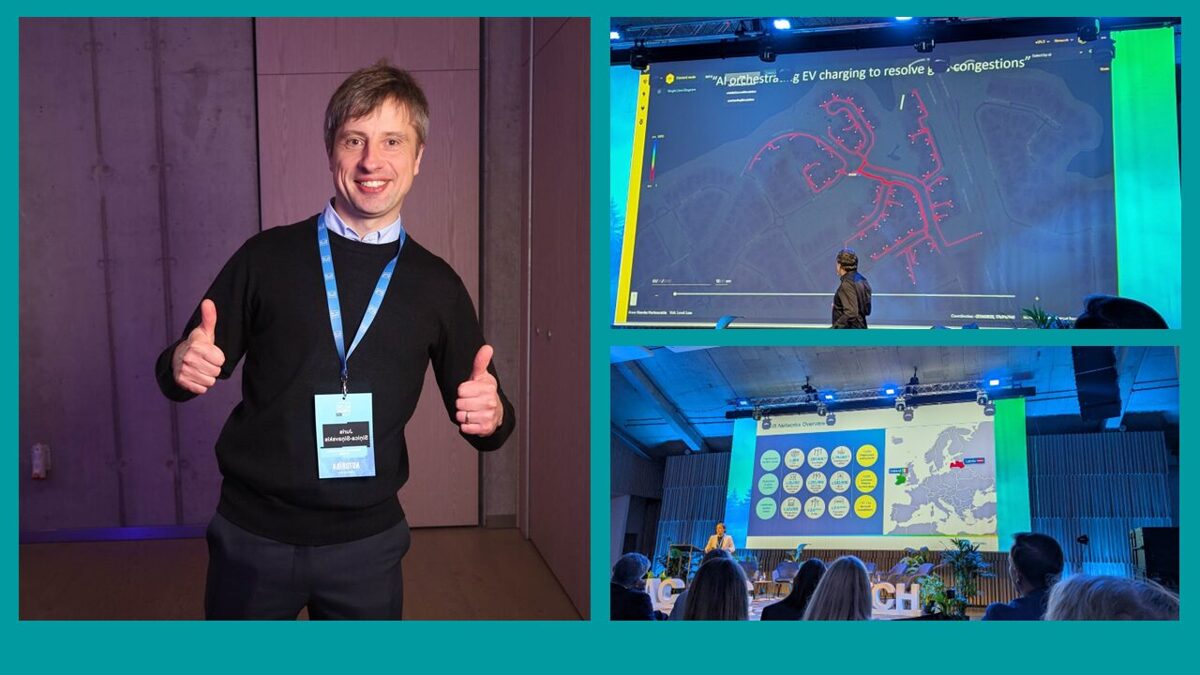
Programming engineer Juris Siņica-Siņavskis, within the framework of the LACISE project, participated in the AC/DC Tech Forum and the MUPSIS* project results presentation event, where short presentations showcased innovation stories from AS “Sadales tīkls” and its cooperation partners on artificial intelligence and other current topics related to power transmission security, with particular emphasis on the wooden utility pole inspection system developed within the project.
During the event, contacts were established with a Norwegian research institution, and further steps were discussed with the distribution system operator (DSO) to continue research under the LACISE project on detecting rot defects in utility poles and developing AI-based algorithms.
*Research project “Mobile Utility Pole Smart Inspection System”.
More info: https://sadalestikls.lv/acdc
Solar Cup 2026: Where Ideas Took Flight Under the Sun
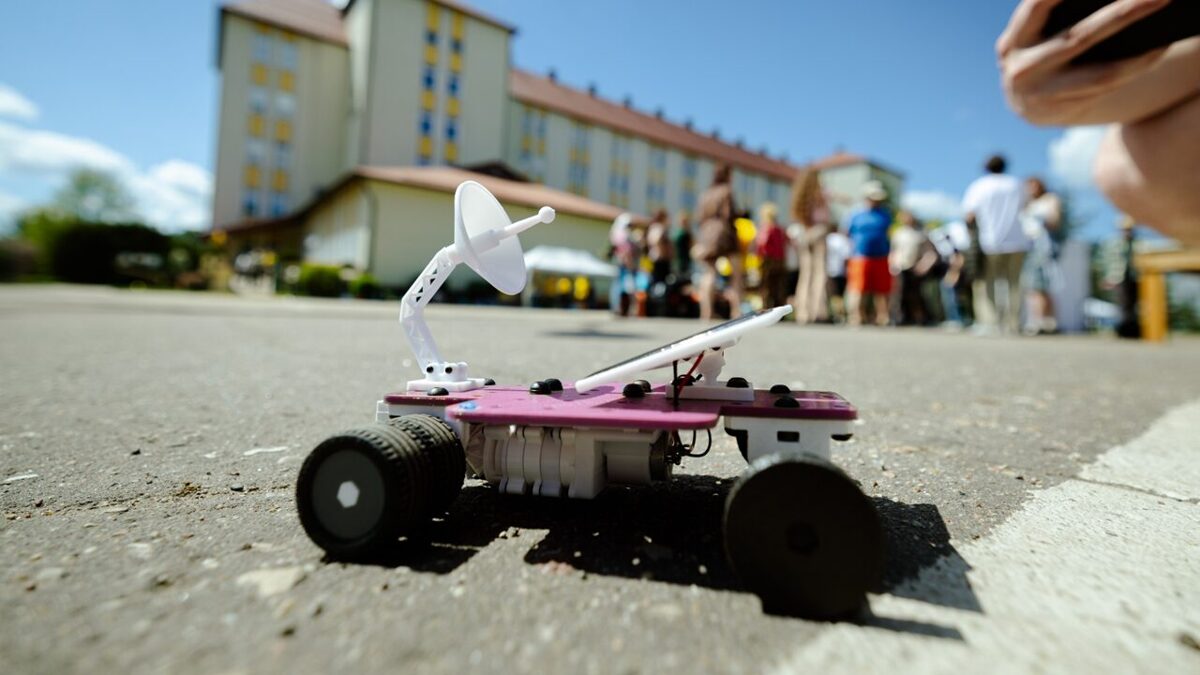
On a bright Saturday morning, May 23, the courtyard of the Institute of Solid State Physics, University of Latvia (ISSP UL) transformed into something far greater than a competition venue; it became a living laboratory of imagination, determination, and discovery.
A little more than 200 young minds from across Latvia gathered for the 18th Solar Cup, bringing with them not just solar-powered cars and boats, but stories of teamwork, persistence, and curiosity. From Riga to Ilūkste, from Cēsis to Jelgava, the geography of Latvia came together in a shared language of innovation.
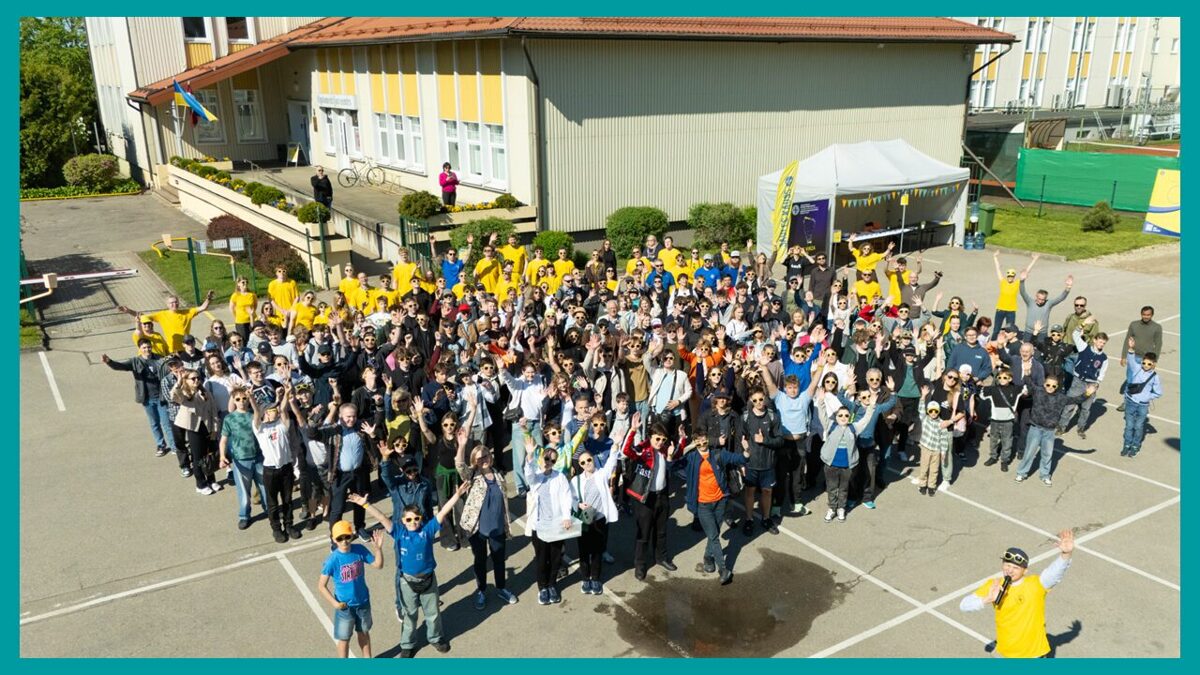 Solar Cup 2026 participants in a group photo by Alex Lisenko. Let the race begin!
Where It All Began
For many teams, the real journey had started months earlier.
Back in March, students formed small teams of two or three and began sketching their ideas—simple lines on paper that gradually evolved into functioning solar-powered vehicles. Step by step, they moved from concept to creation: selecting materials, engineering structures, testing prototypes, and refining performance. Along the way, they documented their progress, learning not only engineering principles but also how to communicate the story of their work.
Behind the scenes, the Energy Materials Laboratory of the Institute of Solid State Physics, University of Latvia – an important partner in the LACISE project – played a vital role in shaping this journey. The team contributed to preparing the competition, evaluated submitted designs, and built the competition tracks where theory would meet reality, ensuring both scientific relevance and hands-on excitement.
Race Day: Science in Motion
As the clock approached nine, anticipation filled the courtyard. Teams lined up for technical inspection – would their creations pass?
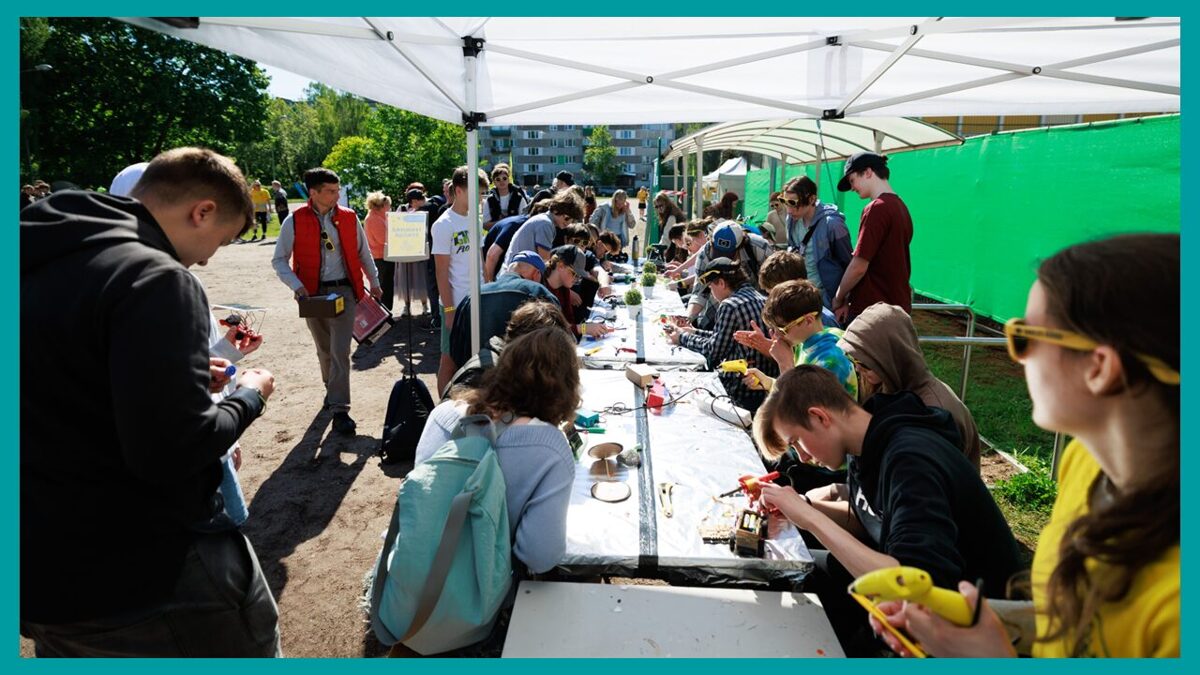 Technical station. Photo: Alex Lisenko.
Those who succeeded moved on to the tracks and water pools, ready to compete. The sun, both the power source and silent judge, shone brightly as vehicles raced forward, transformed from classroom ideas into moving machines.
But speed was only part of the story.
In the pulling challenge, limits were pushed to the extreme. One unforgettable moment came from Robotic.Style team, whose model pulled an astonishing 77 kg load, earning first place and capturing the attention of everyone present.
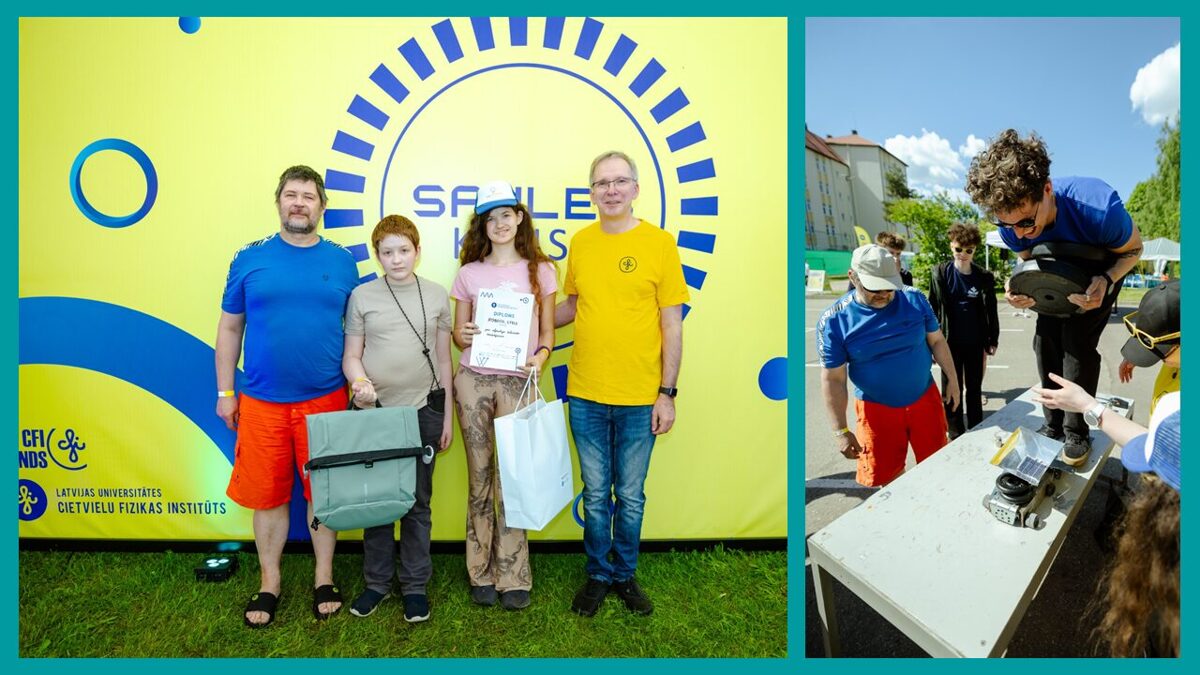 Robotic.Style team with their teacher and director of the ISSP UL; the team's vehicle pulling the record load. Photo: Alex Lisenko.
Nearby, boats glided across water, cars accelerated across tracks, and teams gathered around technical stations, solving last-minute challenges under pressure. Engineering was no longer abstract—it was alive, unpredictable, and exhilarating.
Learning Beyond Competition
While judges compiled results, the event evolved into an open classroom. Participants attended lectures on renewable energy, hydrogen technologies, and electromobility. Science demonstrations added another dimension, reinforcing that innovation is not confined to textbooks—it can be seen, touched, and built.
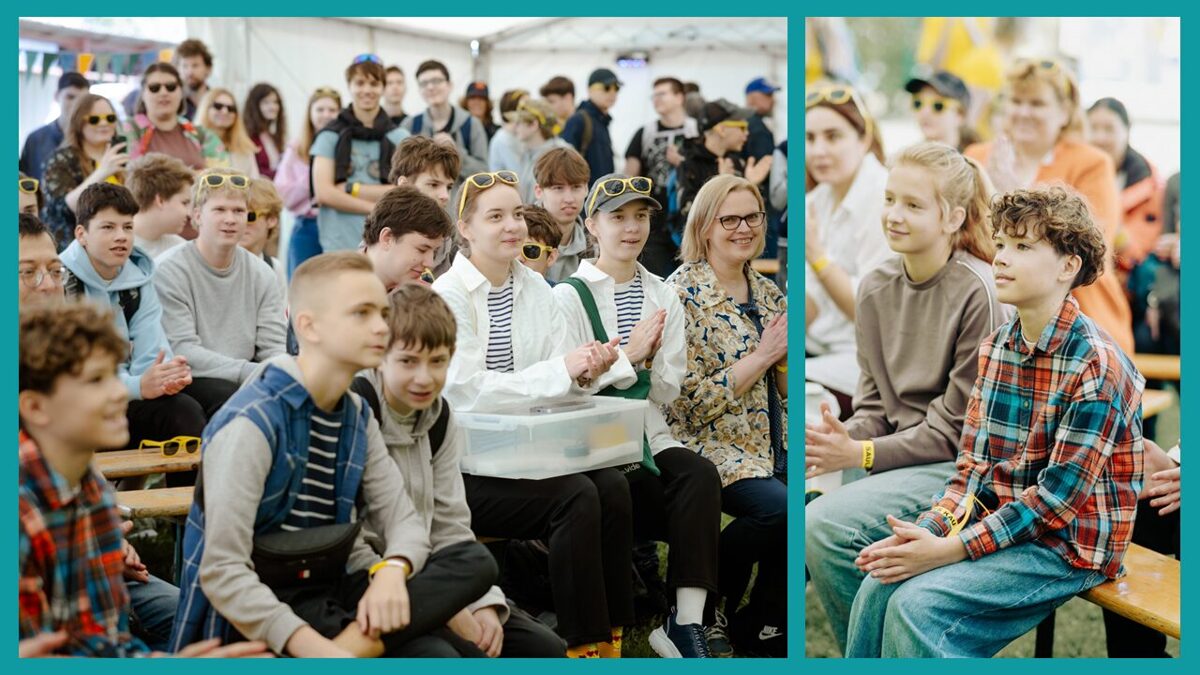 Solar Cup 2026 participants. Photo: Alex Lisenko.
LACISE Awards: Celebrating Creativity and Inclusion
For LACISE, Solar Cup 2026 was more than a competition; it was an opportunity to inspire future scientists and engineers.
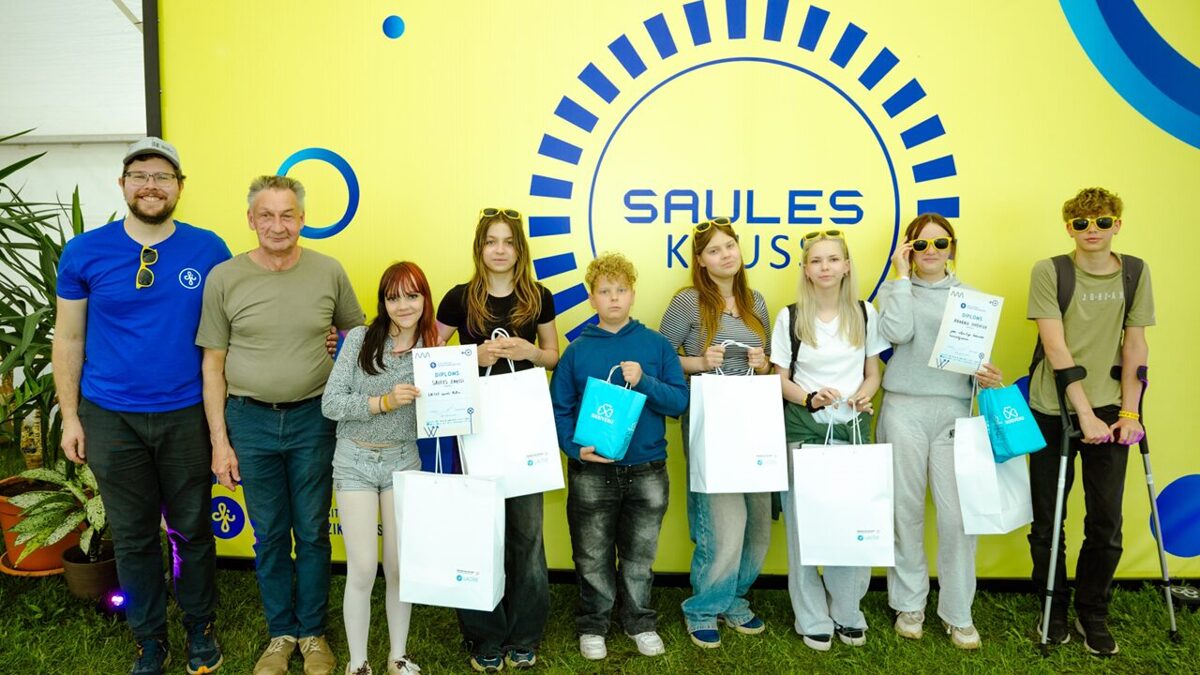 Solar Cup referee with Saules Zaķīši and Banānu Impērija teams. Photo - Alex Lisenko.
Special awards were presented to promote STEM among school students, with particular attention to engaging young people outside Riga and encouraging girls to pursue careers in science and engineering. The LACISE awards celebrated not only performance but also creativity, perseverance, and the courage to innovate.
Among the recognized teams were:
- Robotic.Style – Power Meets Precision
Helēna Jēkabsone and Ervīns Jēkabsons (teacher Haralds Jēkabsons), representing VisLatvijas Secondary School (distance learning), demonstrated exceptional engineering capabilities. Their vehicle’s ability to pull 77 kg embodied the essence of Solar Cup, pushing limits and transforming ideas into measurable results. - Banānu impērija – Strong Across Disciplines, the Best Girls Team
Kate Elīza Kandavniece, Annija Vēvere, and Amanda Bišofa from Naukšēni Lower Secondary School demonstrated consistency and versatility, achieving 4th place in boat speed and 5th place in non-standard speed, reflecting balanced engineering and creative problem-solving. - Barometrs – Determination on the Track, Original Vehicle
Vasilisa Tarusina, Arina Ibragimova, Līga Ramoliņa (teacher – Kristaps Dzilna), representing Exupéry International School (Piņķi), reached the Top 10 fastest cars, showcasing persistence and the value of learning through experimentation. - Saules zaķīši – Creativity in Motion, Original Vehicle
Adrija Melite Ozola, Laura Madara Skujiņa, and Jūlija Korižniha (teacher – Juris Alups) from Naukšēni lower secondary school ranked among the Top 10 in the boat speed track, highlighting teamwork and the growing strength of regional participation in STEM.
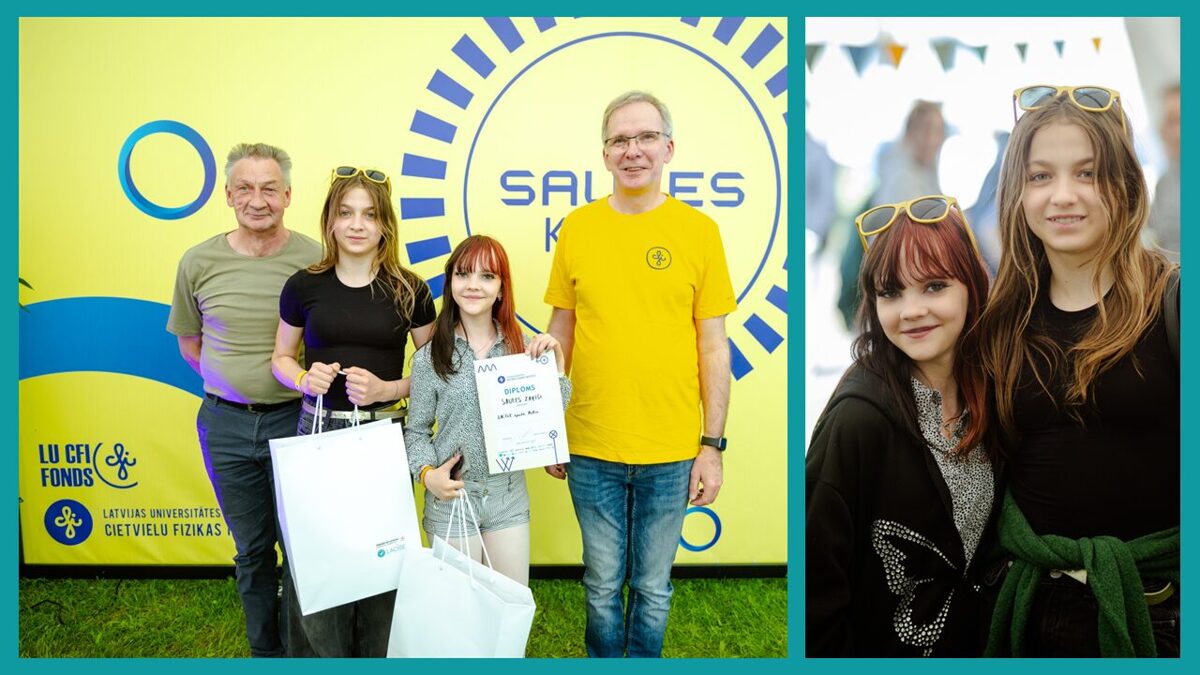 Team Saules Zaķīši and their teacher receiving presents from ISSP UL's director Andris Anspoks; the team waiting for their results. Photo: Alex Lisenko.
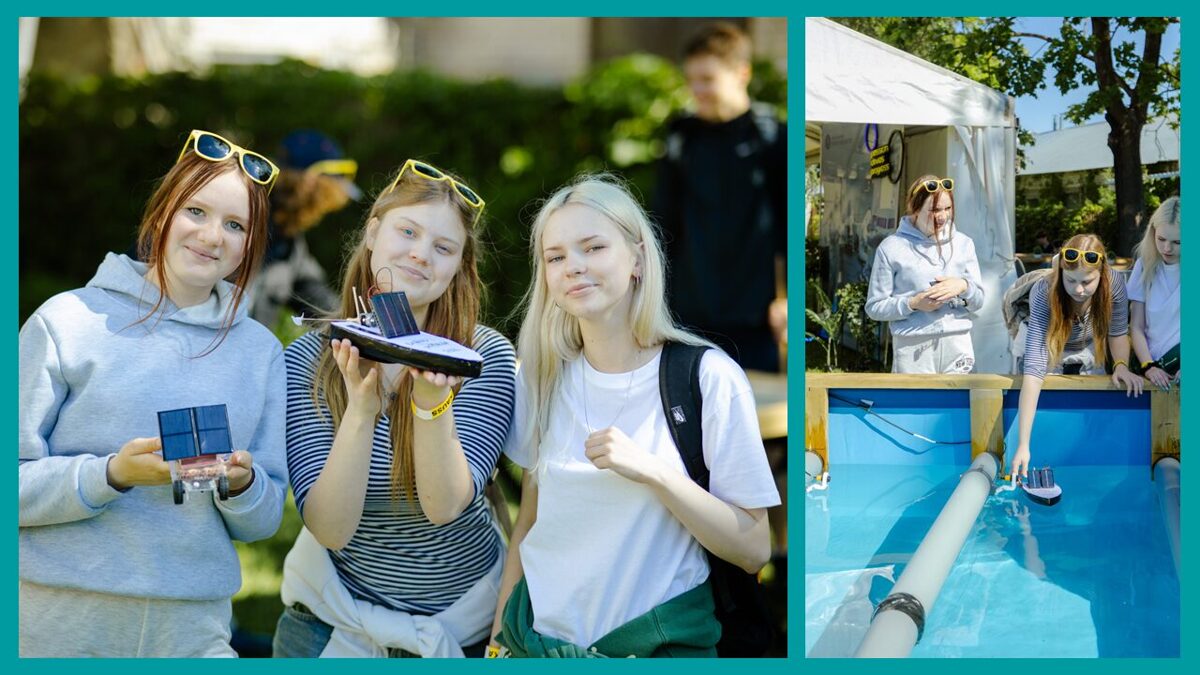 Banānu Impērija team with their car and boat, and the team with their boat in the pool. Photo: Alex Lisenko.
Beyond Results: Why These Awards Matter
For LACISE, these recognitions go far beyond rankings. They:
- highlight talent from across Latvia, especially outside the capital
- encourage girls and underrepresented groups to explore STEM
- reward not only results, but also originality and the courage to experiment
Together, these teams tell a larger story – a story of classrooms turning into workshops, sketches becoming prototypes, and sunlight transforming into motion.
Looking Ahead
Year after year, Solar Cup proves that the next generation of scientists and engineers is already here – curious, capable, and ready to shape a sustainable future.
Behind every prototype and every breakthrough stands a network of support: teachers, families, scientists, organizers, and partners who make it all possible.
Thank you to all organizers and partners, especially to the LACISE team, whose dedication, mentorship, and vision made Solar Cup 2026 not just a competition but a lasting inspiration.
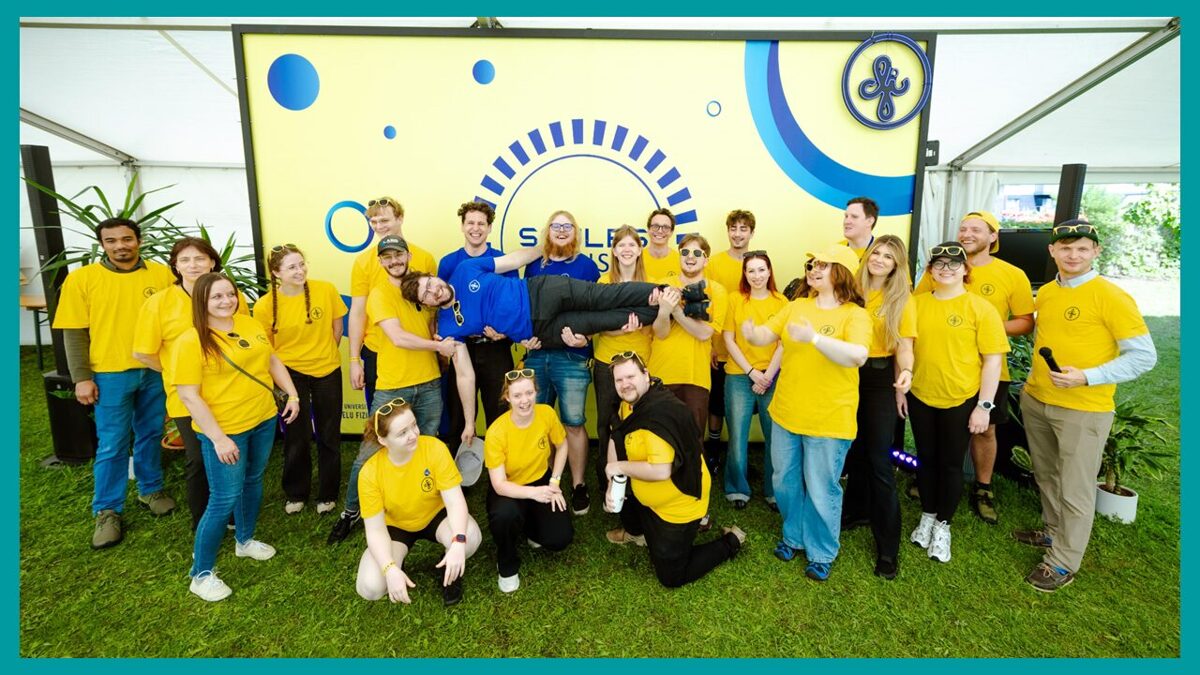 Solar Cup organizers from the Institute of Solid State Physics, University of Latvia (ISSP UL). Photo: Alex Lisenko.
LACISE Solutions for Energy Development Presented at EDI Day 2026
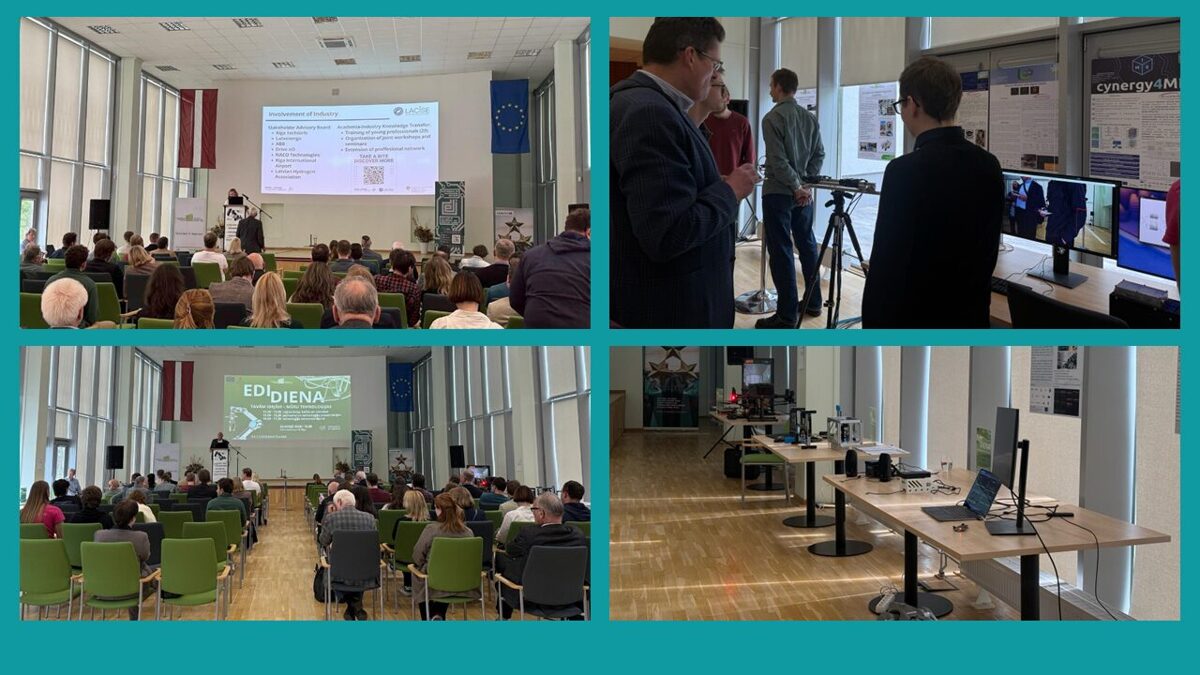
On 20 May 2026,
the Institute of Electronics and Computer Science (EDI) hosted EDI Day 2026,
bringing together technology experts, entrepreneurs, students, and innovation
enthusiasts to foster knowledge exchange, collaboration, and discussions on the
future of technology.
During the event, participants were introduced to EDI’s current projects,
research directions, and technological solutions across medical
technologies, sensing, robotics, artificial intelligence, the Internet of
Things, quantum technologies, imaging, and energy.
The event also featured the Swiss-Latvian Cooperation Programme project LACISE,
which addresses key challenges in the energy sector while supporting the
education and development of the next generation of scientists. Within the
project, researchers from Latvia and Switzerland are developing artificial
intelligence solutions to enhance the stability and security of the Baltic
electricity grid, advancing next-generation battery technologies, and improving
hydrogen production technologies. The importance of interdisciplinary and
international collaboration was highlighted as a driving force for innovation
and the implementation of sustainable energy solutions.
EDI Day 2026 served as a platform for knowledge sharing and collaboration,
showcasing LACISE’s contributions to sustainable energy development and to strengthening research excellence in Latvia.
Swiss–Latvian Digital Centre launched in Riga to boost innovation in the energy sector
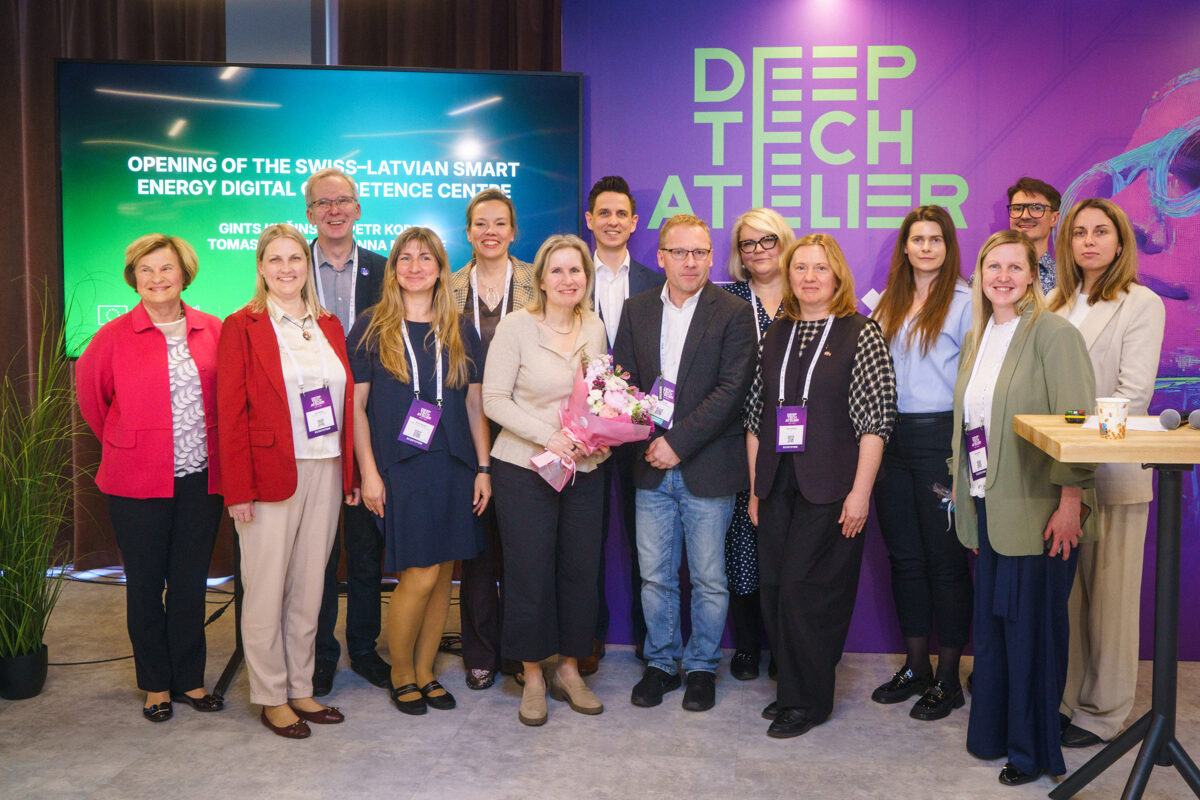 Opening of the Swiss–Latvian Smart Energy Digital Centre. Photo: Valdis Jansons.
On May 15, the Swiss–Latvian Smart Energy Digital Centre was officially launched in Riga as part of the international conference Deep Tech Atelier 2026. The centre has been established within the framework of the LACISE project, led by the Institute of Solid State Physics, University of Latvia (ISSP UL), under the Swiss–Latvian Cooperation Programme Partnership in Applied Research.
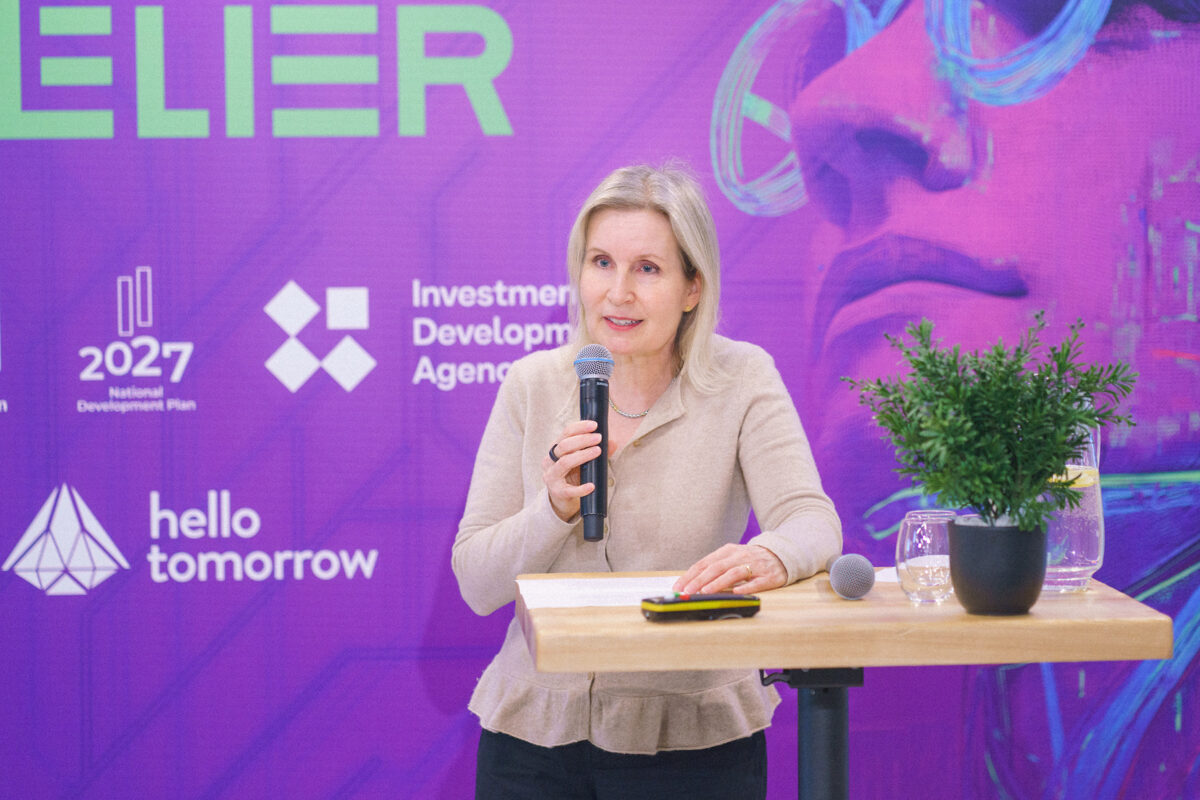 H.E. Anja Zobrist Rentenaar, Ambassador of the Swiss Confederation to Latvia, Lithuania and Estonia, Photo: Valdis Jansons.
The aim of the Centre is to strengthen long-term collaboration between research, innovation-driven companies, and industry in Latvia and Switzerland, while accelerating the development and real-world implementation of new technologies.
The opening event featured remarks by H.E. Anja Zobrist Rentenaar, Ambassador of the Swiss Confederation to Latvia, Lithuania and Estonia, as well as Gints Kučinskis, LACISE project coordinator and leading researcher at ISSP UL.
Switzerland ranks among the top global research and innovation leaders. The reasons for this are multi fold, among others cultivating scientific excellence, which is impossible without international cooperation. Other important factors are the well-developed innovation ecosystems and the close collaboration between academia, businesses, and multinational companies. Networks and collaboration are priceless. Not only in Research but also for shared peace, security, and prosperity in Europe. Closely knit and well-connected communities, and this includes professional communities, are proving to be more resilient to the modern-day challenges," said H.E. Anja Zobrist Rentenaar.
During the event, project partners presented their activities: Gints Kučinskis introduced research carried out at ISSP UL on battery longevity and hydrogen production technologies, Anna Mutule from the Institute of Electronics and Computer Science presented developments in smart grids and digitalisation, while Professor Petr Korba from the Zurich University of Applied Sciences (ZHAW) showcased AI-based solutions for power system stability analysis. An industry perspective was provided by Tomass Liepnieks, Head of Innovation Management at Sadales tīkls.
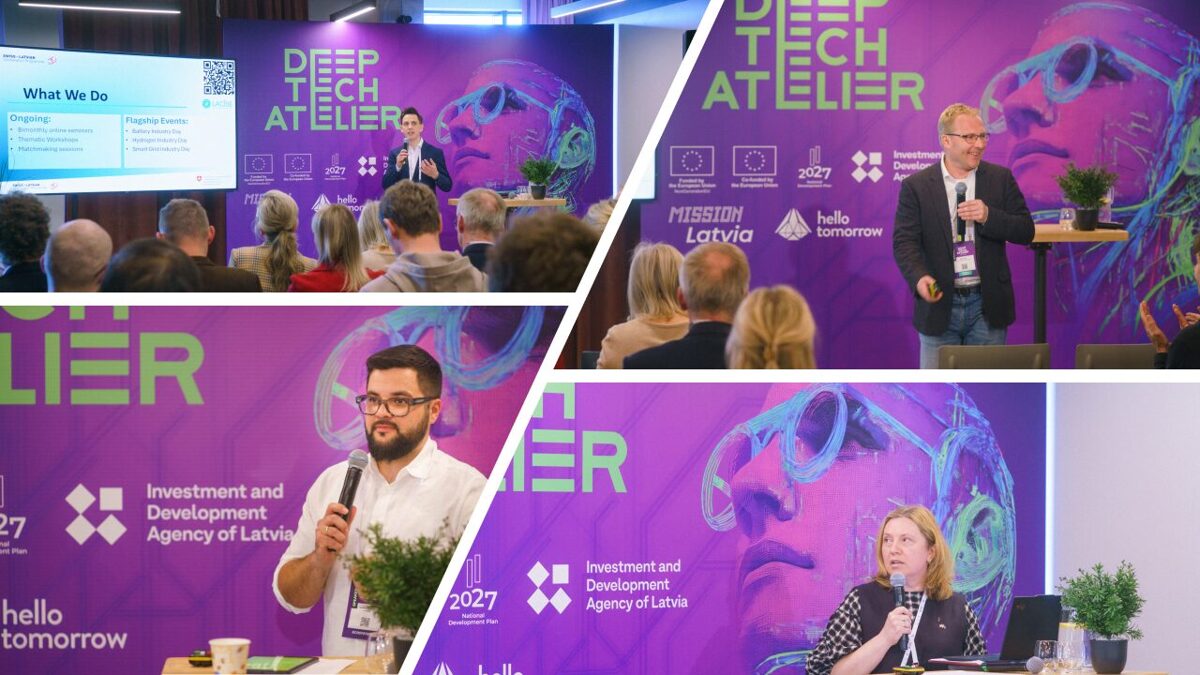 Presentations at the centre’s opening were delivered by Gints Kučinskis, Petr Korba, Anna Mutule and Tomass Liepnieks. Photo: Valdis Jansons.
“Energy is currently undergoing significant transformation – the role of renewable energy sources is increasing, and energy storage is becoming ever more important. This means we need new solutions and new forms of collaboration,” said Gints Kučinskis.
The Swiss–Latvian Digital Centre will serve as a permanent collaboration platform, connecting scientific expertise with industry needs and facilitating the transfer of research results into practical applications. Its flexible, virtual format will enable continuous cooperation between researchers, companies, and innovation ecosystem stakeholders in both countries through thematic seminars, expert discussions, and partnership initiatives, ensuring the Centre’s long-term impact beyond the duration of the project.
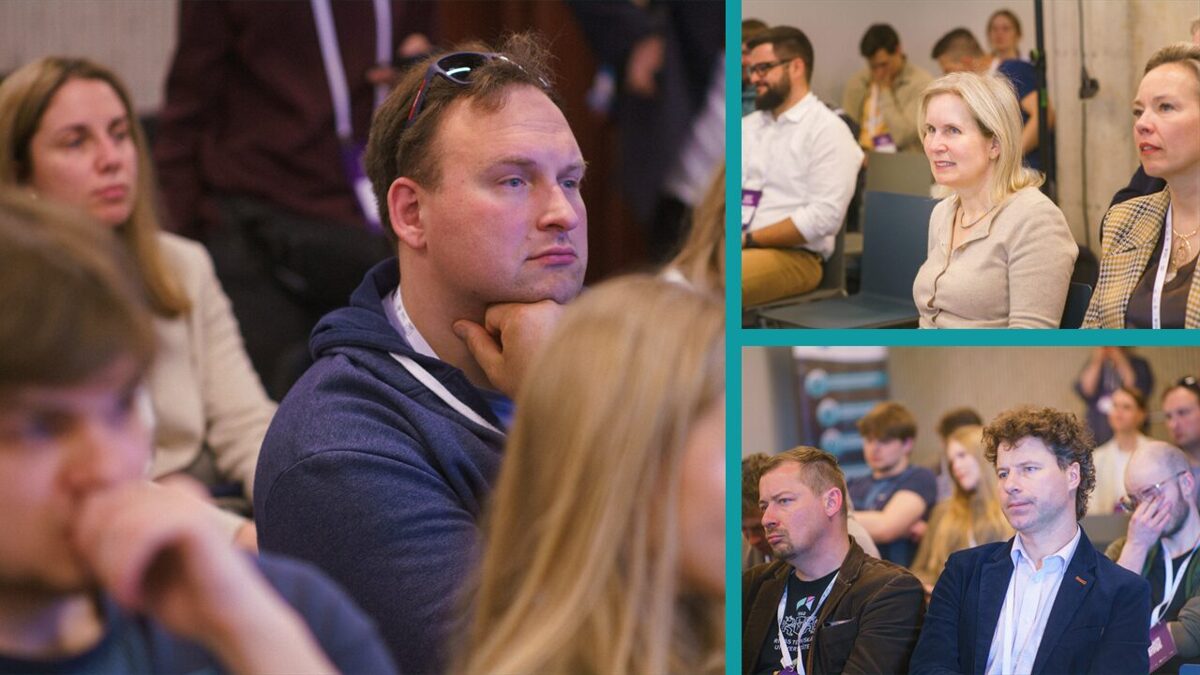 Guests at the opening of the Swiss–Latvian Smart Energy Digital Centre. Photo: Valdis Jansons.
Latvian scientists play an equal role in this international collaboration, emphasises ISSP UL Director Andris Anspoks:
“We work with international institutions as equal partners, not as students and teachers. Our goal is to ensure that this collaboration continues beyond the project, as modern science cannot develop in isolation – it is built on cooperation, specialisation, and mutual learning.”
Given the rapid transformation of
the energy sector, the establishment of the Centre is particularly timely. The
Digital Centre provides a practical contribution to strengthening Latvia’s
innovation capacity and energy resilience, while deepening cooperation with
Switzerland in a strategically important field.
Information about upcoming centre events is available by registering here.
From Research to Real World Solutions – Swiss–Latvian Smart Energy Digital Centre to Open in Riga
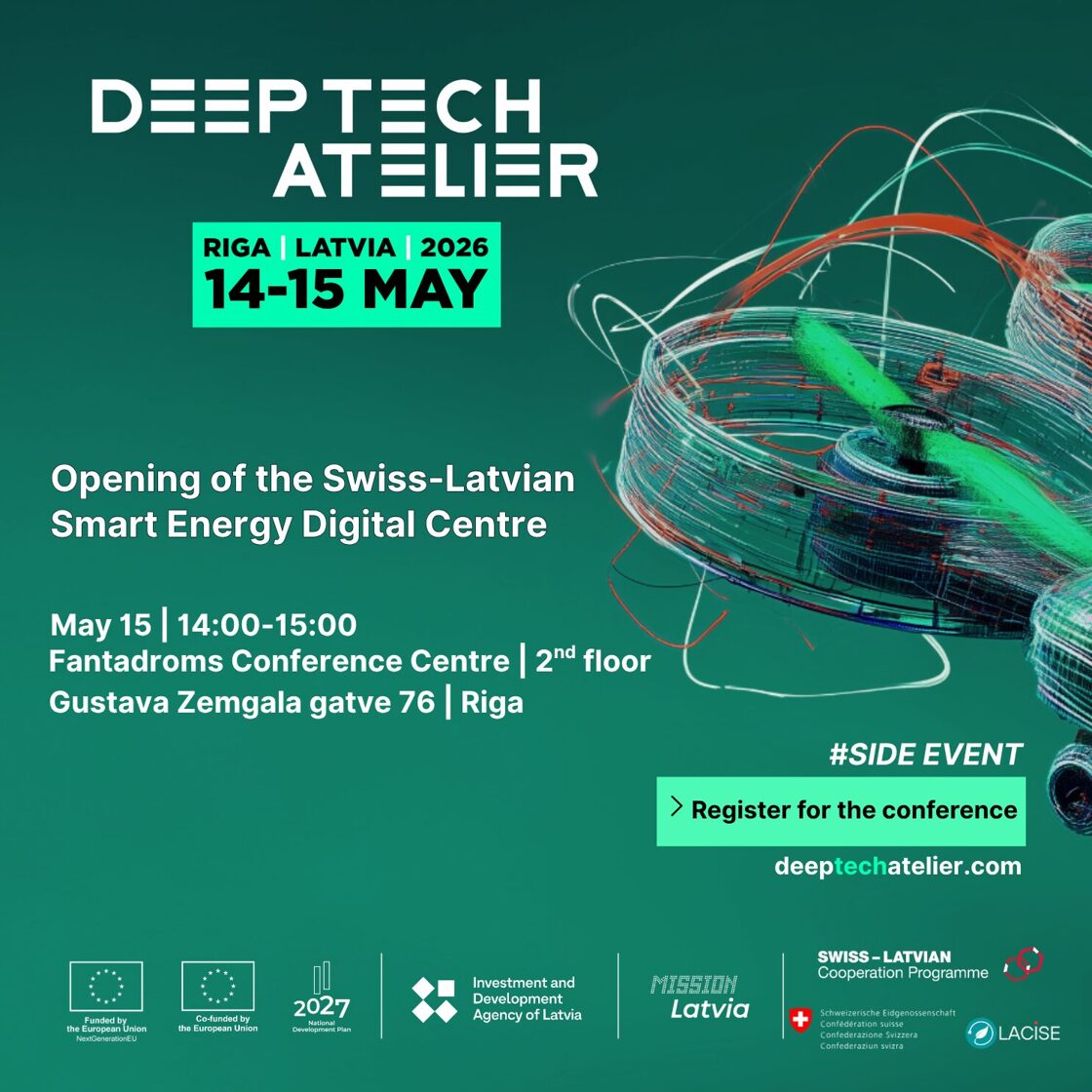
On May 15, from 14:00 to 15:00, the official opening of the Swiss–Latvian Smart Energy Digital Centre will take place at the Deep Tech Atelier 2026 conference at the Fantadroms conference centre (76 Gustava Zemgala Street, Riga). The Centre has been established to strengthen long-term collaboration between research, innovation companies, and industry in both Latvia and Switzerland.
The Digital Centre serves as a continuous collaboration platform, purposefully linking scientific expertise with industry needs to accelerate the transfer of research results into practical applications and the development of joint solutions in the field of smart energy and related technologies.
“The Swiss–Latvian Digital Centre is an action-oriented collaboration platform that helps research ideas find the right partners and pathways to practical implementation. It brings together the scientific expertise of Latvia and Switzerland with industry needs, fostering the development of joint initiatives in smart energy even beyond the completion of the LACISE project,” says Gints Kučinskis, leading researcher and head of the Energy Materials Laboratory of the Institute of Solid State Physics, University of Latvia, and coordinator of the LACISE project.
The Centre is part of the LACISE project, implemented within the Swiss–Latvian cooperation programme “Partnership in Applied Research.” Its flexible, virtual format lets researchers, companies, and innovation ecosystem stakeholders in both countries collaborate through thematic online seminars, expert discussions, partner matchmaking sessions, and industry-focused events.
A focus of the Digital Centre is also collaboration with startups, particularly those operating in the energy deep tech sector.
“The Digital Centre creates an environment where energy startups such as ProtiumTech, which develops innovative green hydrogen production technologies, can much more rapidly identify research and industry partners. This kind of structured international collaboration helps to focus on real-world applications and joint development projects,” says Allen Martini, CEO of ProtiumTech.
At a time of rapid geopolitical change and energy system transformation, the Digital Centre provides a practical contribution to strengthening Latvia’s innovation capacity and energy resilience, while deepening cooperation with Switzerland in a strategically important sector.
Participation in the event is free. Prior registration is required via the Deep Tech Atelier website:
LACISE project participation in the “TSO User Group Meeting 2026” on power system stability analysis
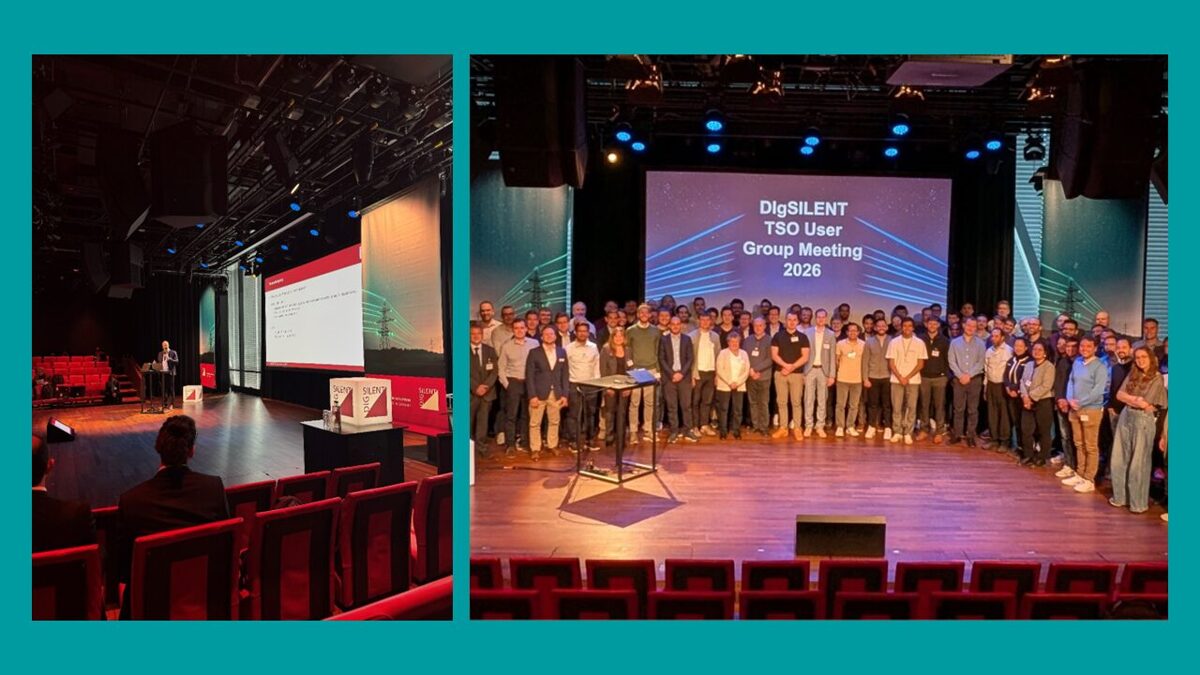
From 6 to 7 May, within the framework of the LACISE project, electrical systems engineer Aleksejs Onackis took part in the DIgSILENT-organized “TSO User Group Meeting 2026” held in Amsterdam, Netherlands.
The event showcased solutions used by transmission system operators for operational and dynamic stability analysis, alongside presentations of new features and updates in PowerFactory 2026 SP1. A dedicated session was also held on simulation automation enabled by cloud-based computational approaches.
The meeting gathered the DIgSILENT team, representatives of European coordination centres, transmission system operators, and industry consultants, providing a valuable platform for knowledge exchange and discussions on future developments in the sector.
LACISE Participation at the 6th Elektrum Physics Festival
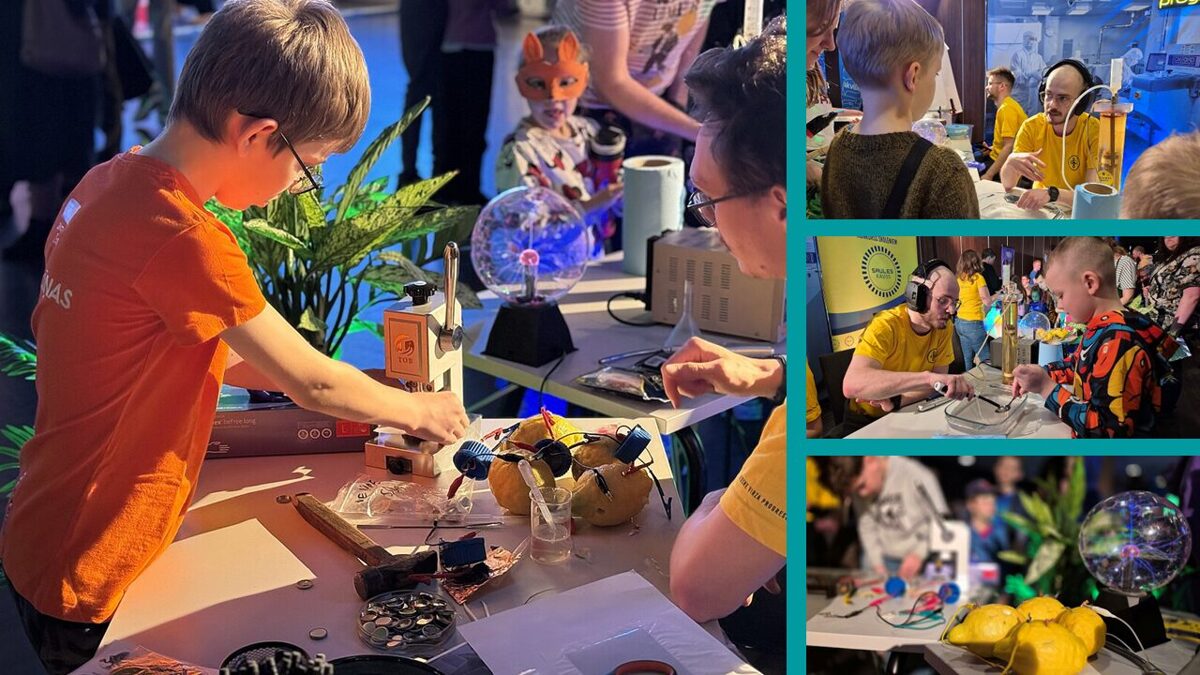
On April 18, the 6th Elektrum Physics Festival—the largest physics-themed event in the Baltics – brought together science enthusiasts of all ages at the ATTA Centre in Riga. The festival, which serves as the grand finale of the national FIZMIX physics and erudition competition, attracted more than 5,000 visitors and offered a vibrant platform for exploring science, technology, engineering, arts, and mathematics (STEAM).
Organised by AS Latvenergo, the festival aims to inspire young people to pursue careers in exact sciences by demonstrating the practical, engaging, and creative sides of physics. Throughout the day, visitors could take part in hands-on experiments, interactive demonstrations, and technology showcases delivered by universities, research institutions, science centres, and companies from Latvia and Estonia.
LACISE project participated in the event at the Institute of Solid State Physics, University of Latvia (ISSP UL) stand, which offered a dynamic and educational experience, drawing strong interest from children, youth, and adults alike. Visitors had the opportunity to learn about modern energy solutions, including hydrogen as a sustainable energy source, and to gain practical insight into energy storage by assembling their own batteries.
The Elektrum Physics Festival provided a unique environment where curiosity and innovation intersected. Alongside scientific exploration, the event featured competitions, performances, and creative activities, reinforcing the idea that science is not only educational but also exciting and relevant to everyday life.
By participating in the festival, the LACISE project contributed to a shared mission of fostering interest in STEM fields and supporting the next generation of scientists and engineers. The strong public engagement observed at the ISSP UL stand confirmed the importance of such outreach initiatives in bridging the gap between research and society.