Solar Cup 2026: Where Ideas Took Flight Under the Sun
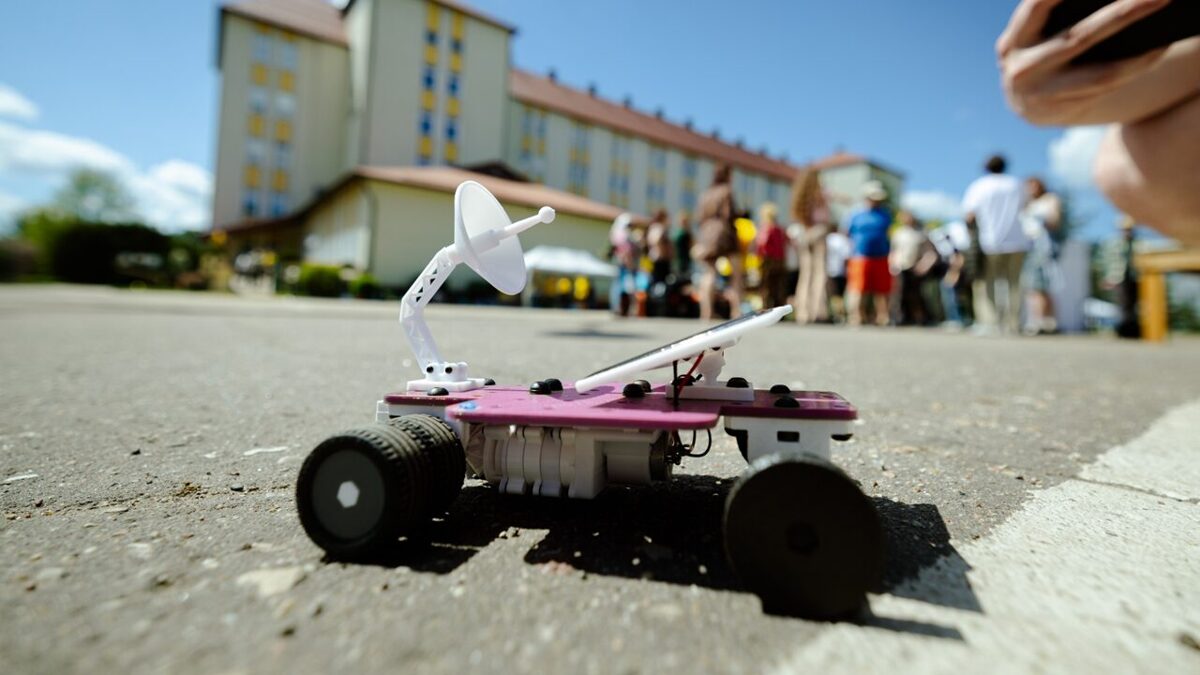
On a bright Saturday morning, May 23, the courtyard of the Institute of Solid State Physics, University of Latvia (ISSP UL) transformed into something far greater than a competition venue; it became a living laboratory of imagination, determination, and discovery.
A little more than 200 young minds from across Latvia gathered for the 18th Solar Cup, bringing with them not just solar-powered cars and boats, but stories of teamwork, persistence, and curiosity. From Riga to Ilūkste, from Cēsis to Jelgava, the geography of Latvia came together in a shared language of innovation.
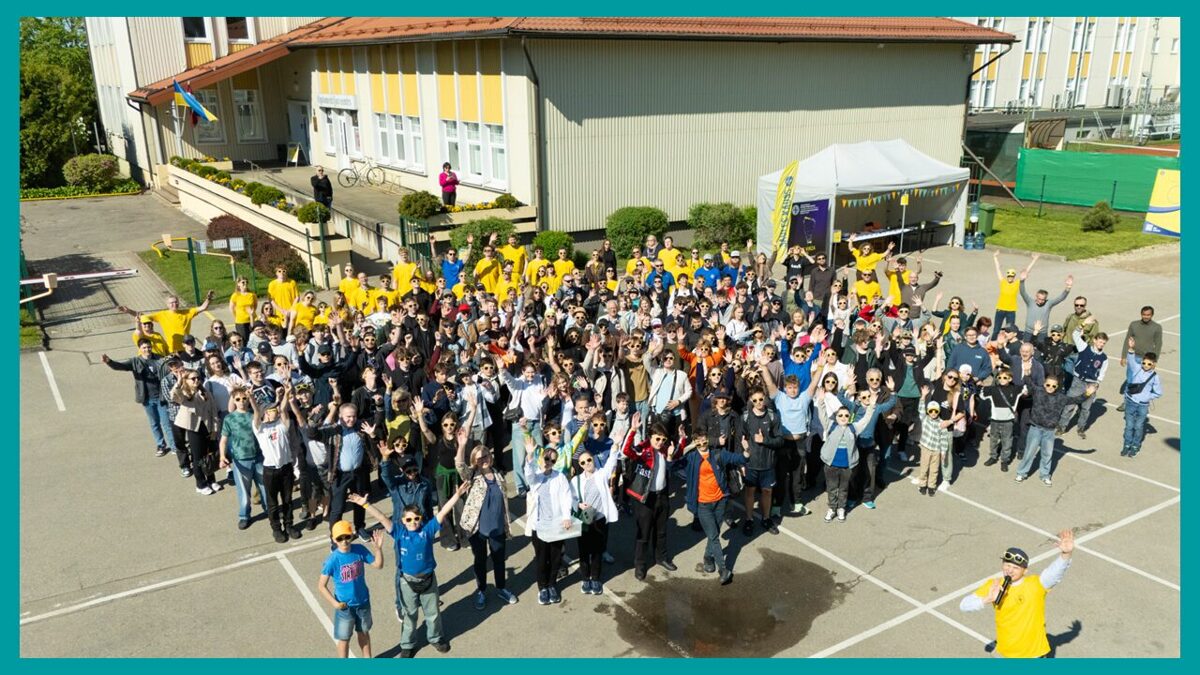 Solar Cup 2026 participants in a group photo by Alex Lisenko. Let the race begin!
Where It All Began
For many teams, the real journey had started months earlier.
Back in March, students formed small teams of two or three and began sketching their ideas—simple lines on paper that gradually evolved into functioning solar-powered vehicles. Step by step, they moved from concept to creation: selecting materials, engineering structures, testing prototypes, and refining performance. Along the way, they documented their progress, learning not only engineering principles but also how to communicate the story of their work.
Behind the scenes, the Energy Materials Laboratory of the Institute of Solid State Physics, University of Latvia – an important partner in the LACISE project – played a vital role in shaping this journey. The team contributed to preparing the competition, evaluated submitted designs, and built the competition tracks where theory would meet reality, ensuring both scientific relevance and hands-on excitement.
Race Day: Science in Motion
As the clock approached nine, anticipation filled the courtyard. Teams lined up for technical inspection – would their creations pass?
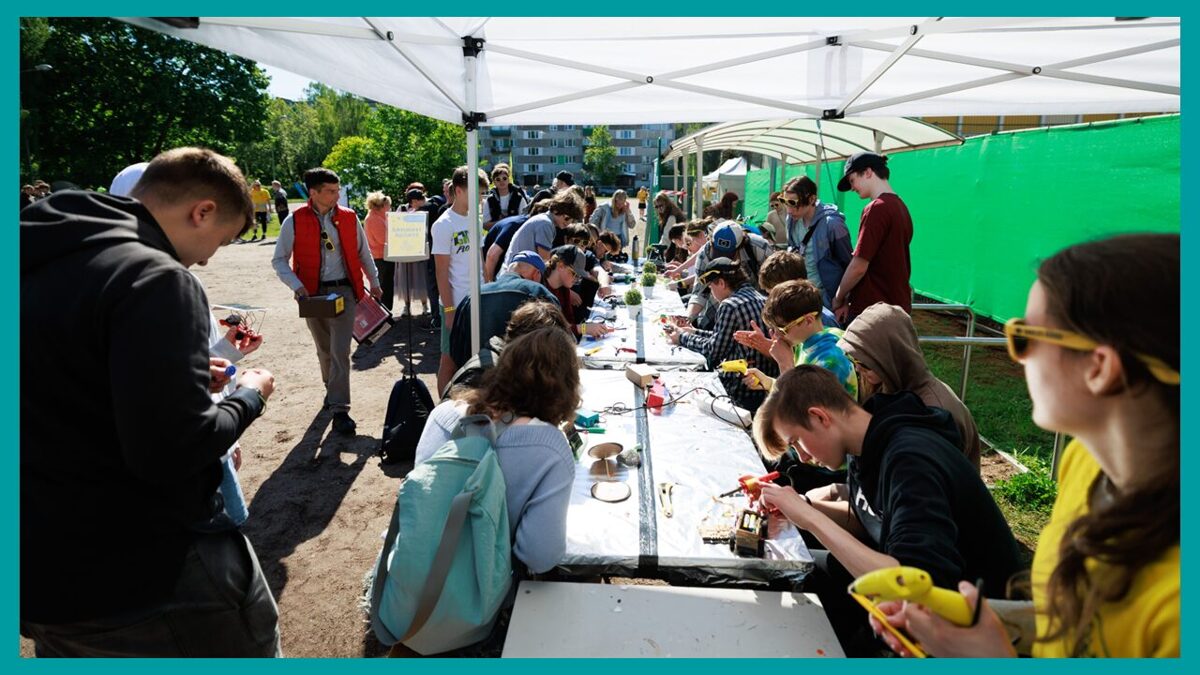 Technical station. Photo: Alex Lisenko.
Those who succeeded moved on to the tracks and water pools, ready to compete. The sun, both the power source and silent judge, shone brightly as vehicles raced forward, transformed from classroom ideas into moving machines.
But speed was only part of the story.
In the pulling challenge, limits were pushed to the extreme. One unforgettable moment came from Robotic.Style team, whose model pulled an astonishing 77 kg load, earning first place and capturing the attention of everyone present.
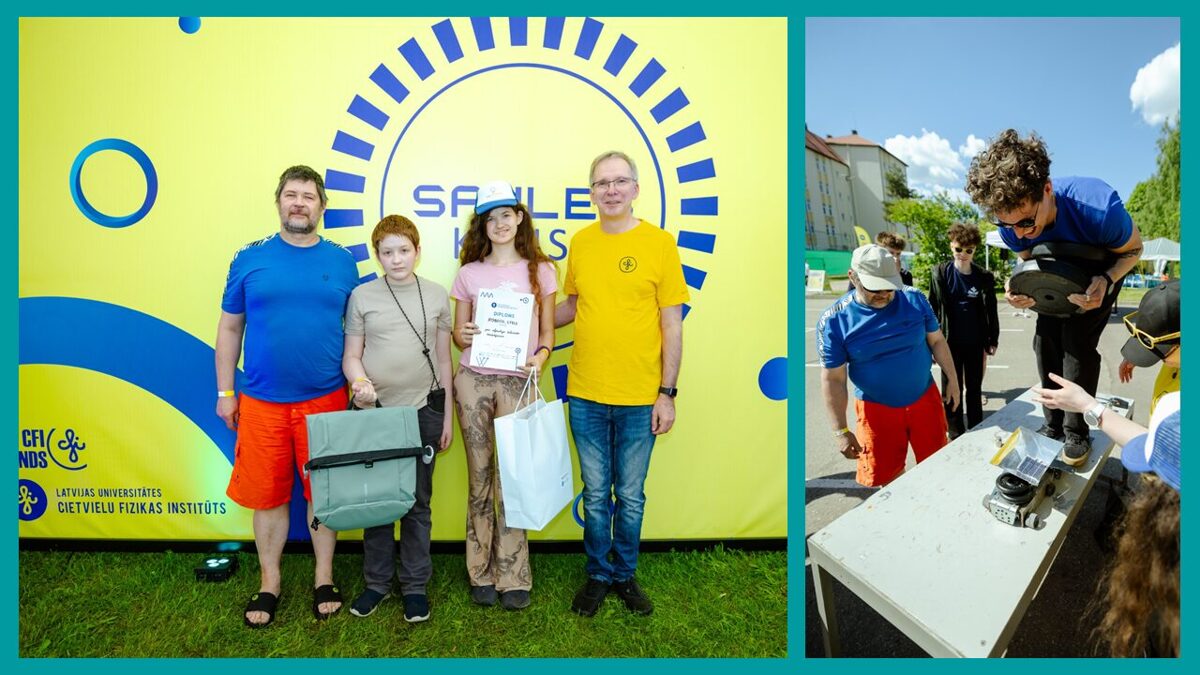 Robotic.Style team with their teacher and director of the ISSP UL; the team's vehicle pulling the record load. Photo: Alex Lisenko.
Nearby, boats glided across water, cars accelerated across tracks, and teams gathered around technical stations, solving last-minute challenges under pressure. Engineering was no longer abstract—it was alive, unpredictable, and exhilarating.
Learning Beyond Competition
While judges compiled results, the event evolved into an open classroom. Participants attended lectures on renewable energy, hydrogen technologies, and electromobility. Science demonstrations added another dimension, reinforcing that innovation is not confined to textbooks—it can be seen, touched, and built.
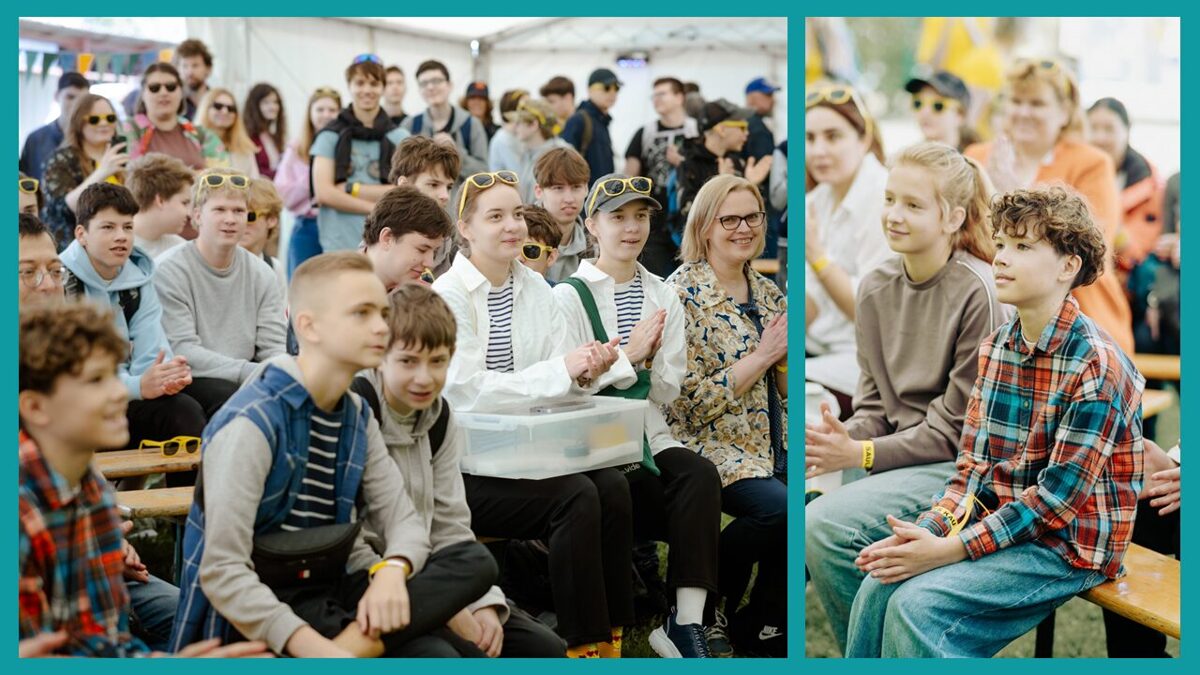 Solar Cup 2026 participants. Photo: Alex Lisenko.
LACISE Awards: Celebrating Creativity and Inclusion
For LACISE, Solar Cup 2026 was more than a competition; it was an opportunity to inspire future scientists and engineers.
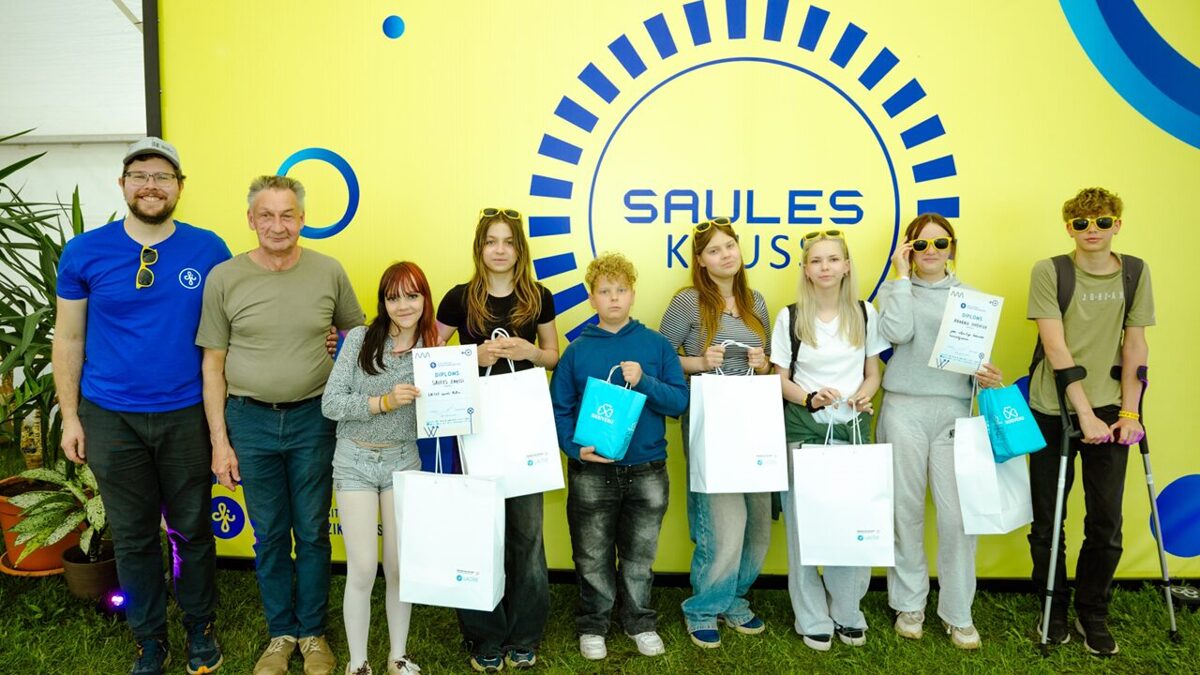 Solar Cup referee with Saules Zaķīši and Banānu Impērija teams. Photo - Alex Lisenko.
Special awards were presented to promote STEM among school students, with particular attention to engaging young people outside Riga and encouraging girls to pursue careers in science and engineering. The LACISE awards celebrated not only performance but also creativity, perseverance, and the courage to innovate.
Among the recognized teams were:
- Robotic.Style – Power Meets Precision
Helēna Jēkabsone and Ervīns Jēkabsons (teacher Haralds Jēkabsons), representing VisLatvijas Secondary School (distance learning), demonstrated exceptional engineering capabilities. Their vehicle’s ability to pull 77 kg embodied the essence of Solar Cup, pushing limits and transforming ideas into measurable results. - Banānu impērija – Strong Across Disciplines, the Best Girls Team
Kate Elīza Kandavniece, Annija Vēvere, and Amanda Bišofa from Naukšēni Lower Secondary School demonstrated consistency and versatility, achieving 4th place in boat speed and 5th place in non-standard speed, reflecting balanced engineering and creative problem-solving. - Barometrs – Determination on the Track, Original Vehicle
Vasilisa Tarusina, Arina Ibragimova, Līga Ramoliņa (teacher – Kristaps Dzilna), representing Exupéry International School (Piņķi), reached the Top 10 fastest cars, showcasing persistence and the value of learning through experimentation. - Saules zaķīši – Creativity in Motion, Original Vehicle
Adrija Melite Ozola, Laura Madara Skujiņa, and Jūlija Korižniha (teacher – Juris Alups) from Naukšēni lower secondary school ranked among the Top 10 in the boat speed track, highlighting teamwork and the growing strength of regional participation in STEM.
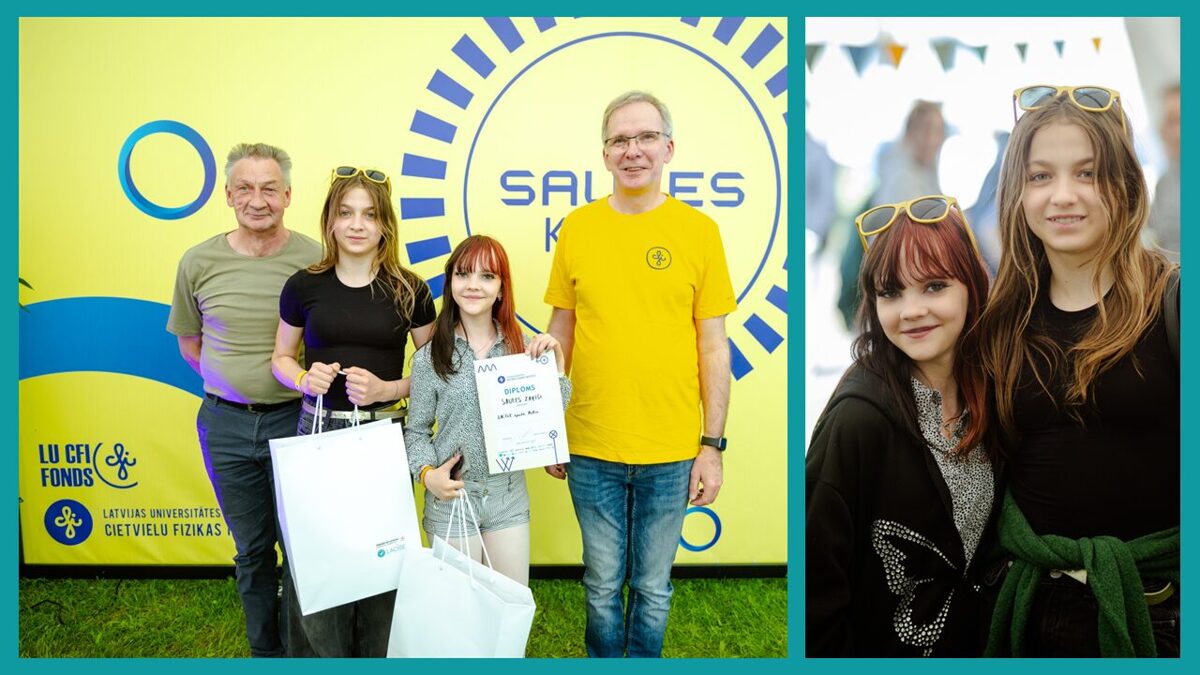 Team Saules Zaķīši and their teacher receiving presents from ISSP UL's director Andris Anspoks; the team waiting for their results. Photo: Alex Lisenko.
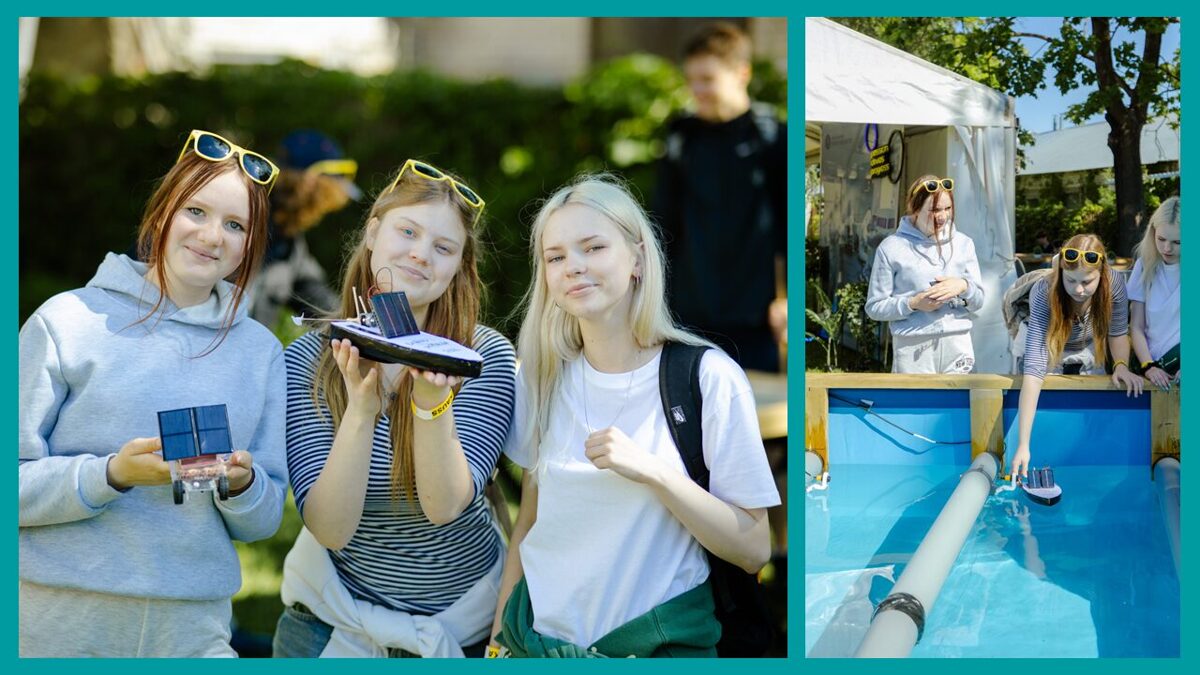 Banānu Impērija team with their car and boat, and the team with their boat in the pool. Photo: Alex Lisenko.
Beyond Results: Why These Awards Matter
For LACISE, these recognitions go far beyond rankings. They:
- highlight talent from across Latvia, especially outside the capital
- encourage girls and underrepresented groups to explore STEM
- reward not only results, but also originality and the courage to experiment
Together, these teams tell a larger story – a story of classrooms turning into workshops, sketches becoming prototypes, and sunlight transforming into motion.
Looking Ahead
Year after year, Solar Cup proves that the next generation of scientists and engineers is already here – curious, capable, and ready to shape a sustainable future.
Behind every prototype and every breakthrough stands a network of support: teachers, families, scientists, organizers, and partners who make it all possible.
Thank you to all organizers and partners, especially to the LACISE team, whose dedication, mentorship, and vision made Solar Cup 2026 not just a competition but a lasting inspiration.
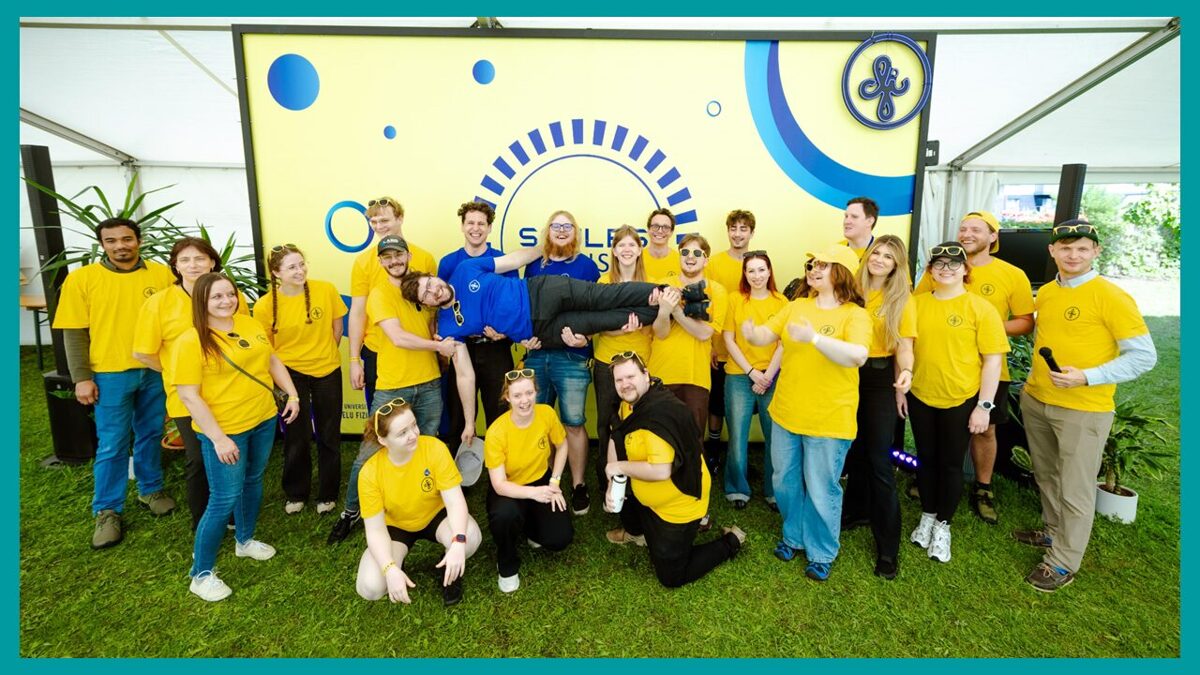 Solar Cup organizers from the Institute of Solid State Physics, University of Latvia (ISSP UL). Photo: Alex Lisenko.