Latvia’s Role in Europe’s Energy Independence: LACISE Discussion at LAMPA Charts the Path from Research to Energy Independence
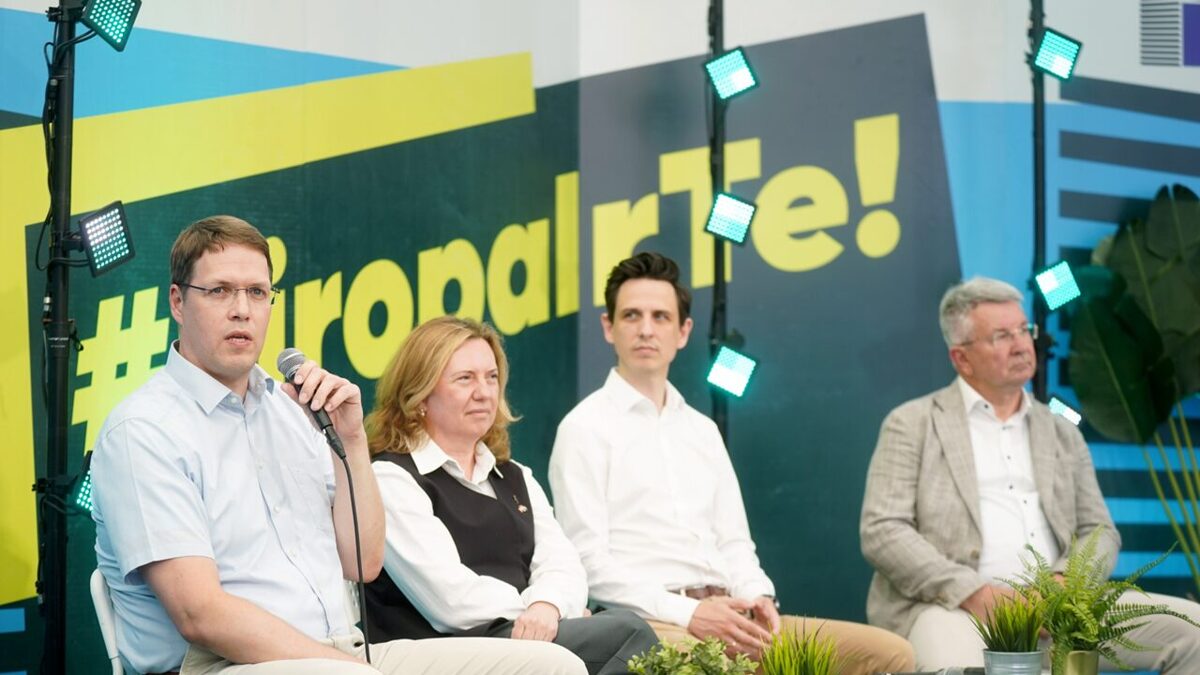
Will Latvia emerge as a leader or a follower in Europe’s energy transition? This was the central question explored during the discussion “Latvia’s Role in Europe’s Energy Independence and Sustainability”, held on 10 July at the LAMPA Conversation Festival, one of Latvia’s largest platforms for public dialogue and civic engagement.
The event took place on the stage of the European Commission Representation in Latvia, “Europe is here!” and was organized by the Institute of Solid State Physics, University of Latvia (ISSP UL) and the LACISE project, in cooperation with the Institute of Electronics and Computer Science (IECS) and the Swiss–Latvian Cooperation Programme.
LAMPA is much more than a festival. Held annually in the historic town of Cēsis, it provides an open platform for researchers, policymakers, entrepreneurs, civil society organizations, artists, and citizens to engage in conversations about the challenges and opportunities shaping society. Inspired by democracy festivals across the Nordic and Baltic regions, LAMPA has grown into one of the most influential public engagement events in the Baltics. The 2026 edition featured more than 400 events, brought together 1,445 speakers and attracted approximately 27,000 visitors over two days.
Against this vibrant backdrop, the conversation on energy independence provided an opportunity to connect cutting-edge scientific research with broader public debate. The audience included not only energy professionals and policymakers but also students, entrepreneurs, and citizens interested in understanding how energy security, innovation, and sustainability will shape the future of Latvia and Europe.
Today, energy is no longer simply a technical matter of power plants, transmission lines, and kilowatt-hours. It has become a question of national security, economic competitiveness, and quality of life. The discussion therefore explored how Latvia can strengthen its energy independence while leveraging science, innovation and international cooperation to become an important contributor to Europe’s sustainable energy future.
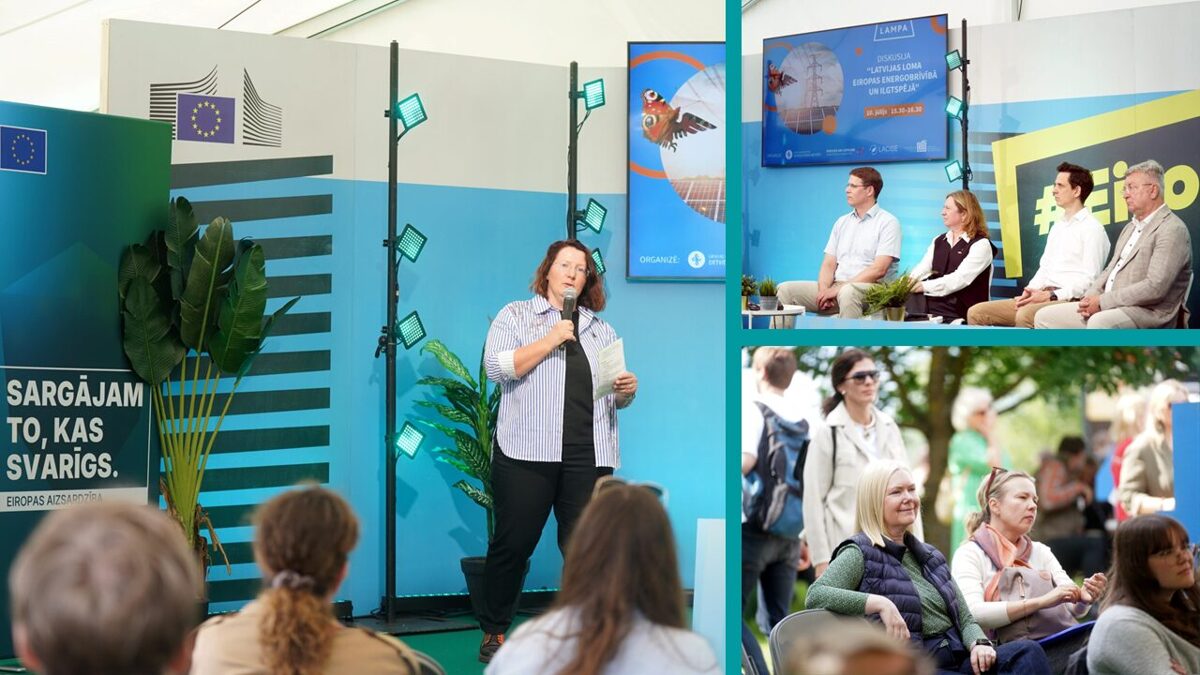 Moderator Vita Brakovska together with the panelists and audience members. Photo: LETA.
The discussion was moderated by Vita Brakovska, PhD, Head of the association ZINIS, whose dynamic approach created an engaging dialogue between the speakers and the audience. From the outset, participants were invited to reflect on what concerns them most about Latvia’s energy independence. Is it security of supply, dependence on imports, technological development, financing, workforce skills, or other factors? This helped frame the conversation around both national priorities and individual responsibility.
The panel brought together experts from research and industry:
- Gatis Junghāns, Member of the Management Board of the Latvian transmission system operator Augstsprieguma tīkls and Professor at Riga Technical University;
- Dr. Aigars Laizāns, Professor and Senior Researcher at the Latvia University of Life Sciences and Technologies and Chairman of the Supervisory Board of Latvenergo;
- Dr. Anna Mutule, Professor at Riga Technical University, Senior Researcher and LACISE Project Lead at the Institute of Electronics and Computer Science;
- Dr. Gints Kučinskis, Head of the Energy Materials Laboratory at ISSP UL, Leading Researcher and Coordinator of the LACISE project.
Together, they offered perspectives spanning power system operation, infrastructure development, artificial intelligence, advanced battery technologies and hydrogen solutions.
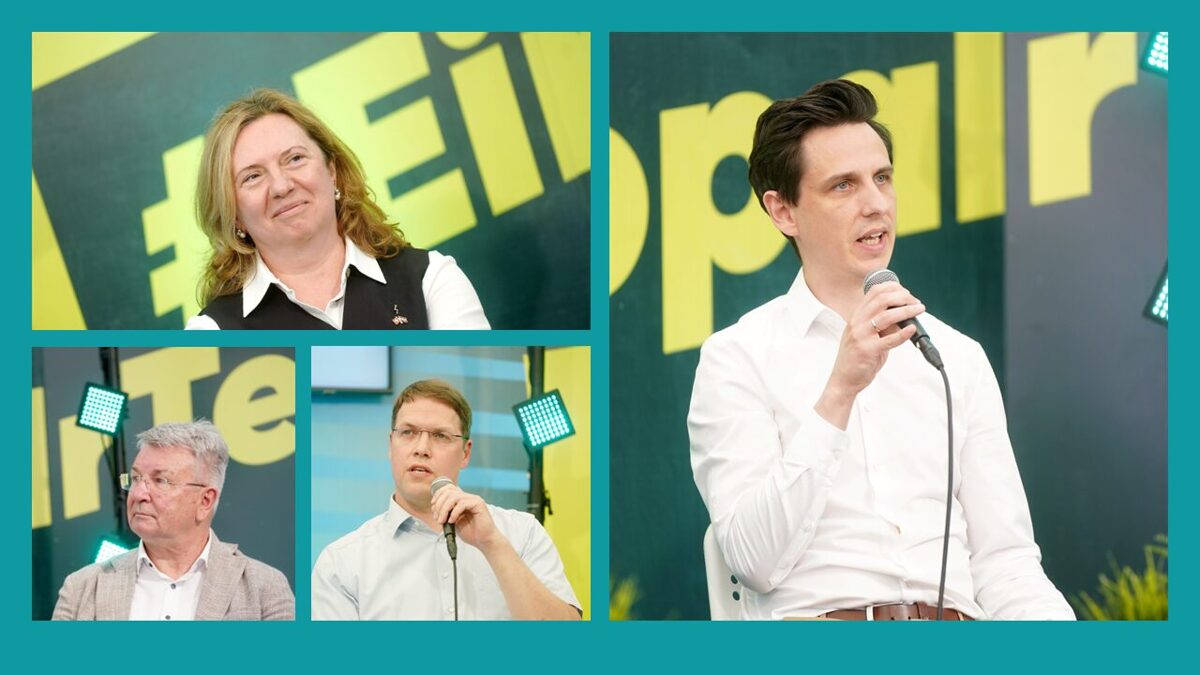 Panelists (clockwise from left): Anna Mutule, Gints Kučinskis, Gatis Junghāns and Aigars Laizāns. Photo: LETA.
One of the key themes was the resilience of future energy systems. The speakers emphasized that modern energy networks require much more than reliable infrastructure. Data-driven decision-making, digitalization, advanced forecasting, and artificial intelligence are becoming increasingly important for identifying risks early and ensuring stable system operation. Latvia, they noted, has several significant advantages: abundant renewable energy resources, well-developed grid infrastructure, strong connections with the European energy market, and internationally recognized scientific expertise.
One particularly engaging part of the session focused on energy resilience in everyday life. Vita Brakovska invited the audience to consider a simple yet powerful question: What would be your biggest challenge if Latvia experienced a 48-hour power outage tomorrow?
The responses quickly highlighted how deeply electricity is embedded in modern life, from communication and digital payments to heating, food supply, transportation and work. The exercise transformed energy security from an abstract policy concept into a tangible issue affecting every household.
Audience members were also encouraged to reflect on their own preparedness for unexpected disruptions. Do we have a Plan B, or even a Plan C, if electricity becomes unavailable? How many households have backup energy sources or alternative solutions? This part of the discussion underscored one of the event’s key messages: energy independence is not built solely by governments, researchers or energy companies. It is also shaped by countless individual decisions regarding energy efficiency, consumption habits, and preparedness.
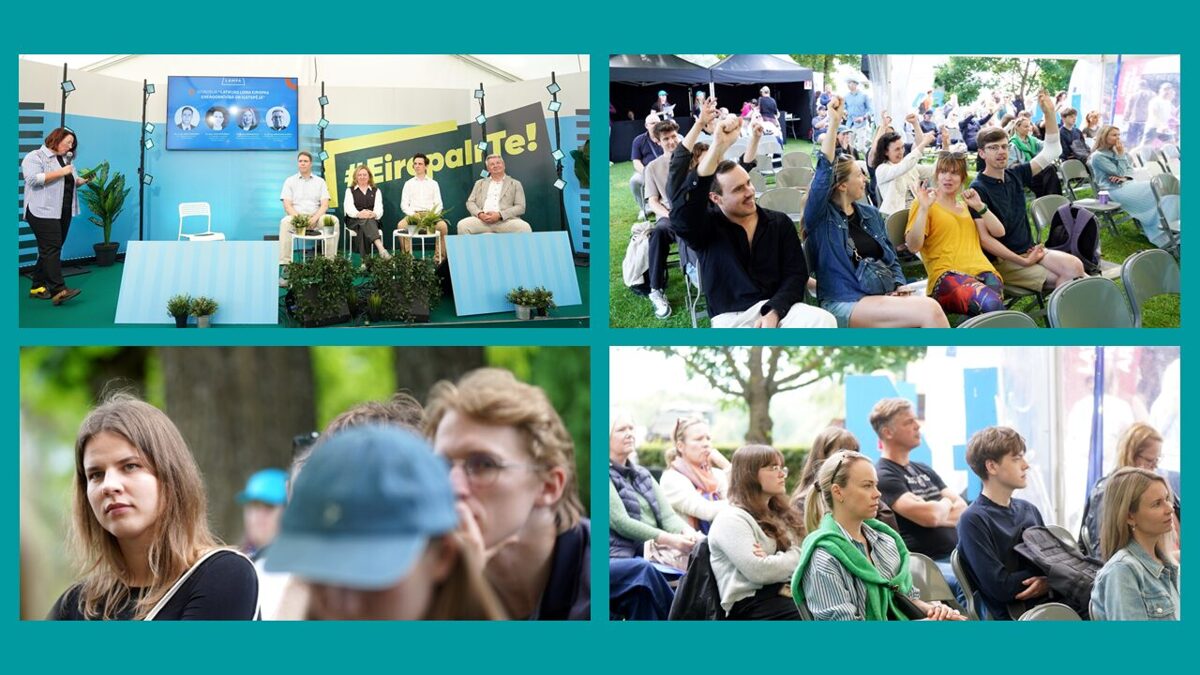 Audience and panelists at the discussion “Latvia’s Role in Europe’s Energy Independence and Sustainability”. Photo: LETA.
The conversation then turned to emerging technologies. Dr. Gints Kučinskis highlighted the importance of advanced battery materials, battery longevity and hydrogen technologies for the long-term sustainability of Europe’s energy system. Dr. Anna Mutule focused on smart energy systems and the growing role of artificial intelligence in managing increasingly complex electricity networks.
A recurring message throughout the session was that Latvia does not necessarily need to become Europe’s largest producer of batteries or solar panels. Instead, the country has the potential to excel in knowledge-intensive niches where innovation creates the greatest value: advanced energy materials, battery technologies, digital solutions and intelligent energy management systems.
Another important topic was collaboration between science and industry. The panel explored how research results can be translated more effectively into practical applications, innovative products and exportable technologies. The speakers pointed out that internationally relevant research is already taking place in Latvia, including projects focused on AI-based solutions for energy system security, next-generation battery technologies and hydrogen innovations. At the same time, they acknowledged that transforming scientific breakthroughs into commercially viable products remains one of the country’s major challenges.
During the concluding round, each panelist shared a key takeaway on how Latvia can strengthen its energy independence in the years ahead. A common theme emerged: energy independence cannot be achieved through technology or policy alone. It requires long-term cooperation between researchers, industry, policymakers and society, combined with a willingness to take responsibility at every level, from national strategies to everyday choices.
The discussion at the LAMPA Conversation Festival demonstrated that Latvia possesses the scientific expertise, industrial experience and international partnerships needed to contribute meaningfully to Europe’s energy future. The question is no longer whether Latvia has the potential. The real challenge is how effectively that potential can be transformed into innovation, economic growth, and lasting energy resilience.